
Sensor
Fujifilm · X-Trans I · 2012
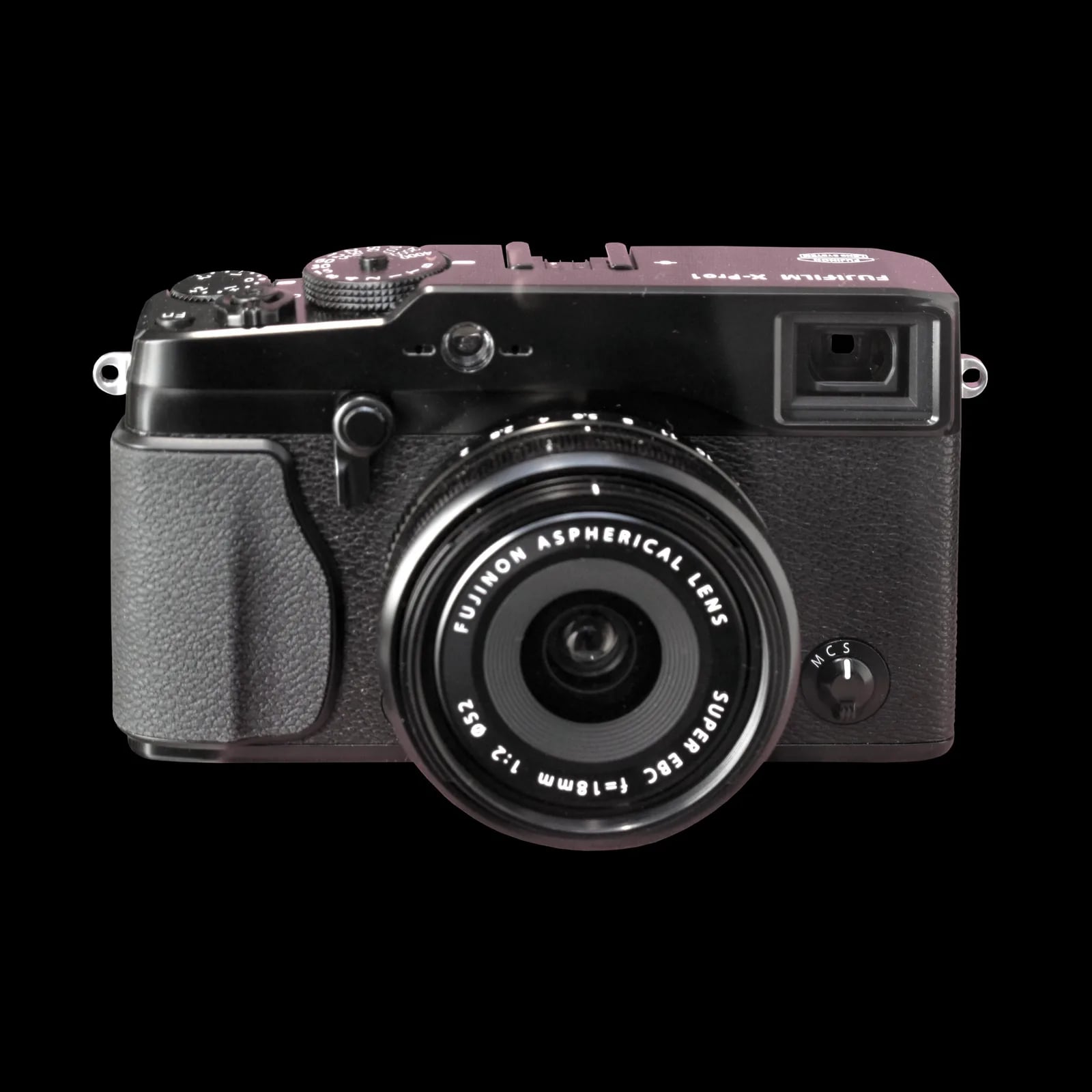
X-Pro1
X-Pro Seriesrangefinder2012
Feel the fusion of analogue charm and digital innovation.
Resolution
16.3 MP
Stabilisation
No
Mount
X-mount
In short
The X-Pro1 supports recipes for early X-Trans I bodies, but lacks Classic Chrome and other newer simulations.
Why it's the recipe body
The Fujifilm X-Pro1, featuring a 16MP X-Trans I sensor, delivers a tactile and engaging shooting experience. Its hybrid optical and electronic viewfinder and sturdy magnesium alloy body appeal to photographers who cherish the classic rangefinder aesthetic. Although its film-simulation set is limited compared to more recent models, the X-Pro1 excels in simplicity and encourages intentional photography. This camera doesn't just capture images; it invites you to immerse yourself in the art of photography, making each shot meaningful. The X-Pro1’s design and handling remind you of the joy of photography, where the process is as rewarding as the final image.
The X-Pro1's X-Trans I sensor supports early Fujifilm film simulations, allowing you to explore the original set of creative options. However, it lacks newer film-simulation modes like Classic Chrome and Acros, which means you'll have to work within the available palette. With its seven custom slots, you can save your preferred settings, yet white-balance shifts aren't savable per slot on this model, which may require manual adjustment.
The X-Pro1 launched the X-mount and X-Trans sensor in 2012.
What it nails, what to watch
What it nails
- Hybrid viewfinder versatility.
- Solid magnesium alloy build.
- Interchangeable X-mount lenses.
- Seven custom settings slots.
- Classic rangefinder aesthetics.
What to watch
- Lacks Classic Chrome film simulation.
- No in-body stabilisation.
- Limited film-simulation set.
- No savable WB shift per slot.
What this body adds
SE
Sensor
16.3 MP X-Trans CMOS
PR
Processor
EXR Processor Pro
MO
Mount
X-mount (interchangeable)
VI
Viewfinder
Hybrid OVF/EVF
IS
ISO
200 - 6400 (ext. 100 - 25600)
SH
Shutter
1/4000 s mechanical
Recipes for the X-Pro1
All recipesNo recipes tested on the X-Pro1 yet — browse the X-Trans I generation for looks that share its sensor.
How to add a recipe to your X-Pro1
- Navigate to the Q menu using the dedicated button.
- Select a custom slot from C1 to C7.
- Adjust settings to match your desired film simulation recipe.
- Press 'OK' to save the settings to the selected slot.
Tips for the X-Pro1
- Use the optical viewfinder for a classic feel.
- Set ISO to Auto for dynamic lighting.
- Explore manual focus for creative control.
- Use the Q menu for quick adjustments.
Explore other cameras
All cameras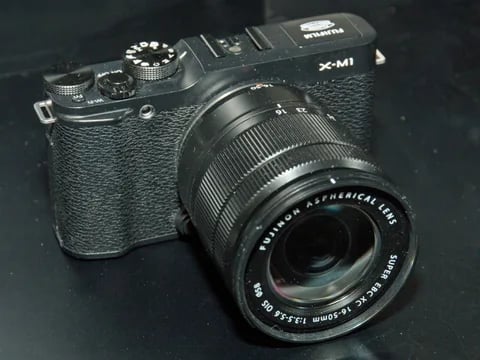
X-Trans I · 16.3 MP
X-M1
Compact, EVF-less X-Trans I - the cheapest path into the X-mount system in 2013.
View camera
X-Trans I · 16.3 MP
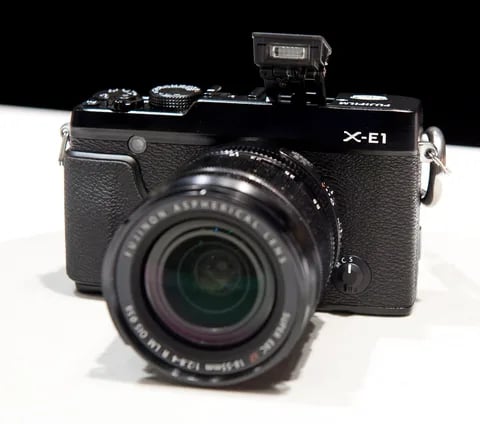
X-E1
The first X-E - X-Pro1 internals in a lighter, more affordable rangefinder body.
View camera
GFX100RF
GFX · 102 MP
GFX100RF
First fixed-lens GFX - 102 MP medium format with a 28mm equiv. prime, in the lightest GFX body yet.
View camera
X-Trans V · 40.2 MP
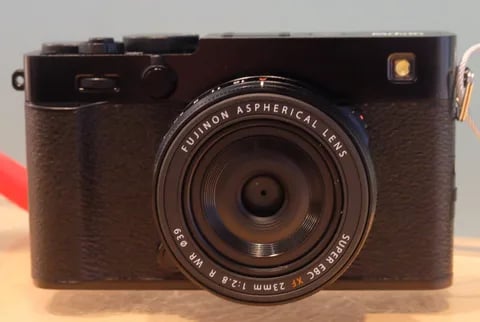
X-E5
First X-E with IBIS - X-Trans V resolution in a precision-machined aluminium rangefinder.
View camera
X-T30 III
X-Trans V · 40.2 MP
X-T30 III
The X-T30 III keeps the 26 MP X-Trans IV sensor but pairs it with X-Processor 5 and the modern Film Sim dial.
View camera
GFX100S II
GFX · 102 MP
GFX100S II
Compact 102 MP GFX with the new CMOS II sensor and 8-stop IBIS - flagship guts in a single-grip body.
View camera
Key terms
Explore more X-Pro1 recipes
Find the best Fujifilm recipes for the X-Pro1, its X-Trans I sensor, and the film simulations they're built on.
Frequently asked questions
Which recipes work on the X-Pro1?
The X-Pro1 supports early X-Trans I recipes, but lacks newer simulations like Classic Chrome.
Does the X-Pro1 have IBIS or how many slots?
The X-Pro1 does not have in-body stabilisation (IBIS) and offers seven custom slots for settings.
How do I add a film simulation recipe?
Use the Q menu to select a slot, adjust settings to your recipe, and press 'OK' to save.