
Difficulty
Intermediate
X-Trans IVPRO Neg. StdColour2 photos
Capture serene moments with vibrant greens and soft urban tones.
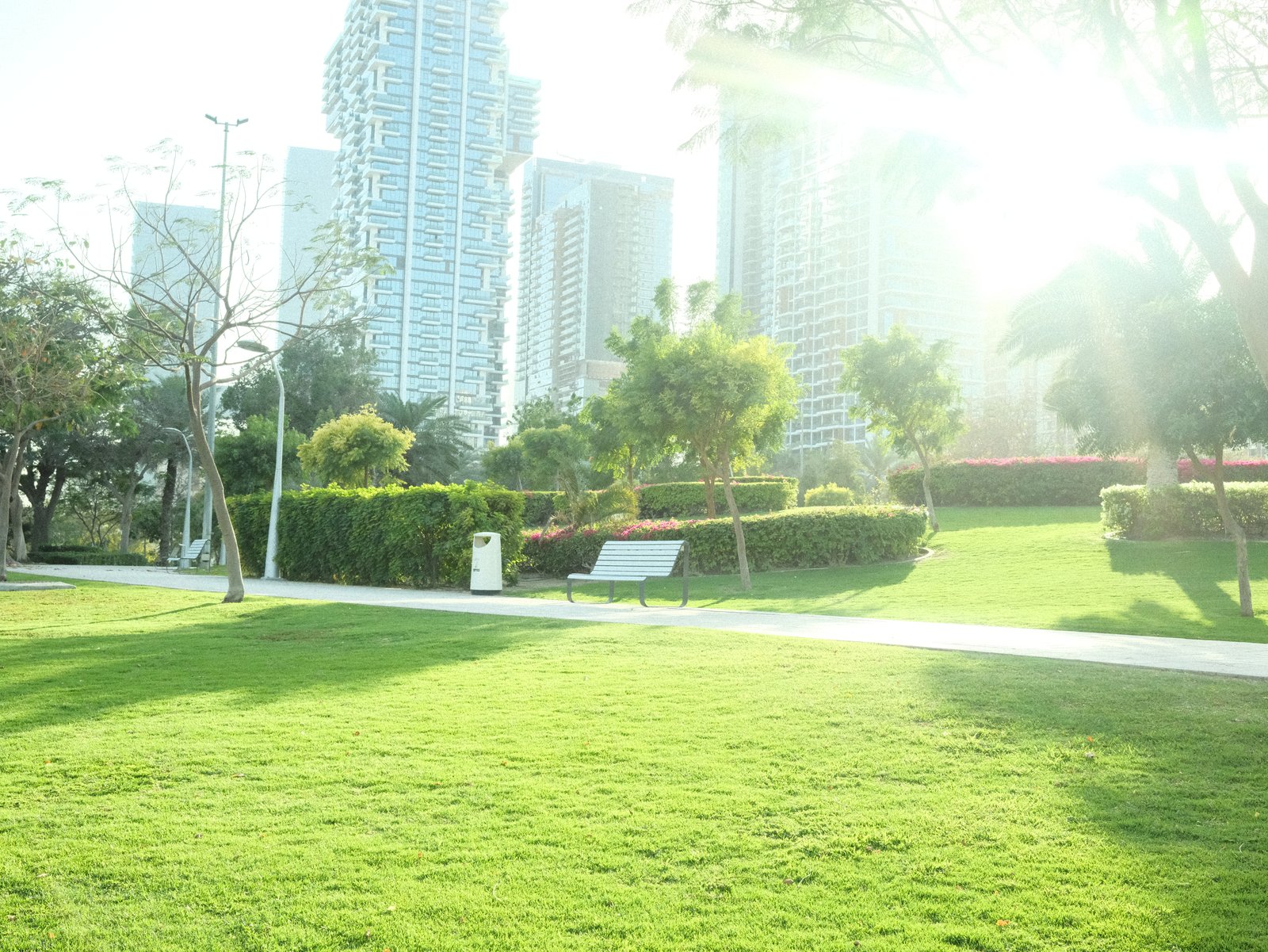
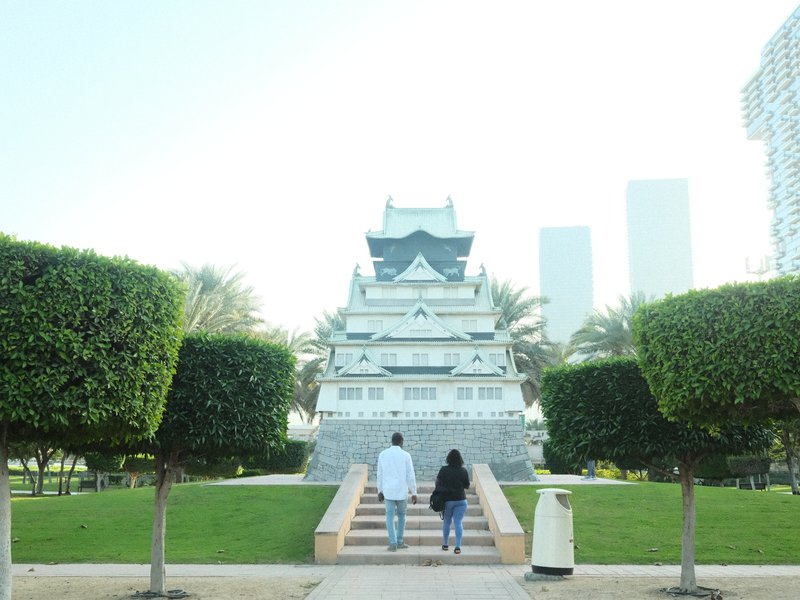
This Fujicolor Superia 800 recipe, based on the PRO Neg. Std simulation, channels the gentle yet vibrant character of classic film. With its rich greens and soft urban tones, it evokes the calmness of a serene afternoon. The highlights are comfortably bright, allowing skies to maintain their allure without overpowering the scene. Shadows are deep yet inviting, providing a touch of drama that flatters portraits and studio work. The colour is vivid, enhancing the vibrancy of natural elements while retaining a subtler urban atmosphere. Strong grain adds a nostalgic, tactile quality, reminiscent of high-ISO film, perfect for images that feel both modern and timeless. This recipe excels in capturing the calmness of a scene, making it ideal for portraits that need a touch of warmth and character.
PRO Neg. Std · X-Trans IV
Explore similar
Tested across the X-Trans IV, X-Trans III and GFX generations — compatibility is defined by sensor, so any body on these generations can run it. This recipe is tuned for X-Trans IV. It will work on X-Trans V, but blue can render more deeply there — adjust to taste.
Ideal for portrait and studio photography, this recipe shines in controlled lighting, enhancing skin tones with soft, flattering contrasts. It's less suited for vivid landscapes, where the subtle urban tones might not bring out the dramatic colours of nature. Try it during golden hours for added warmth and depth.
Scenes and subjects this recipe is tuned for.
Where another look will likely serve you better.
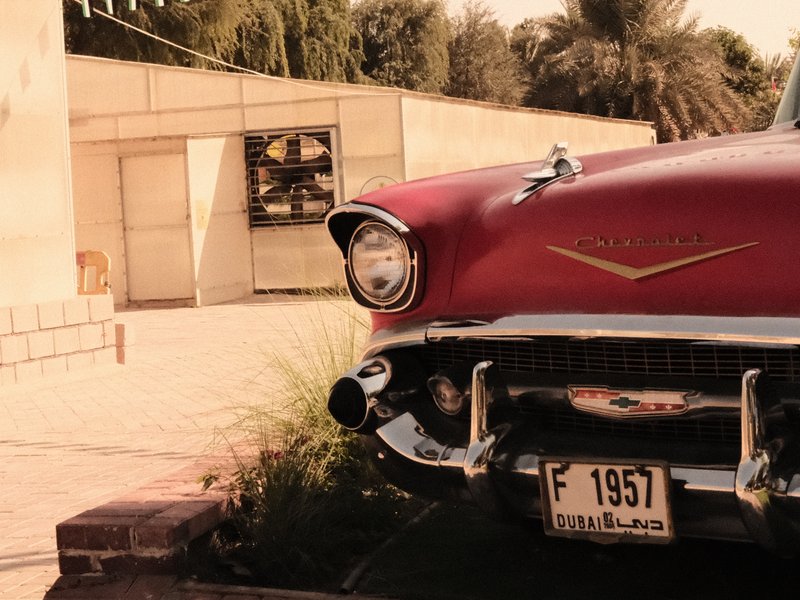
Strong grain with a warm colour cast evokes dreamy nostalgia, perfect for capturing serene portraiture.
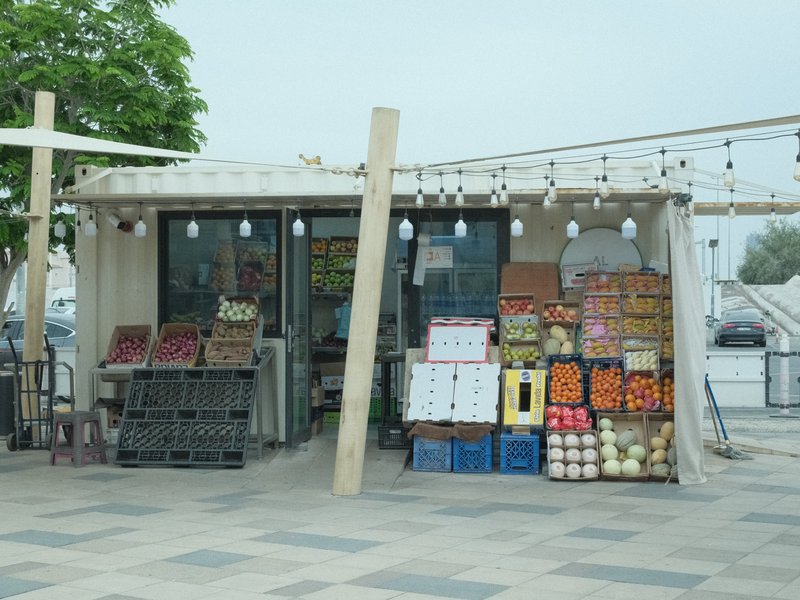
Softened shadows with a subtle blue tint create a calming effect for portraits. Ideal for studio sessions.
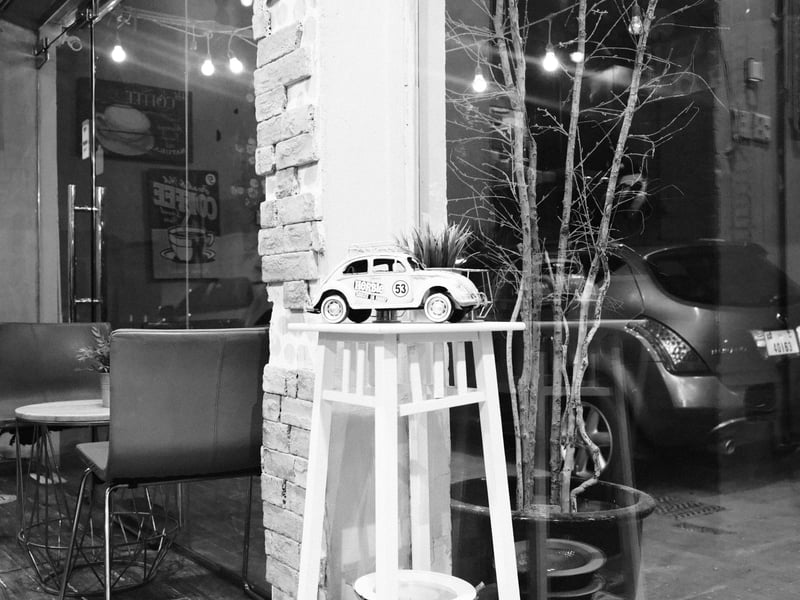
Deep monochrome tones and pronounced grain evoke nostalgia. Ideal for minimalist urban architecture.
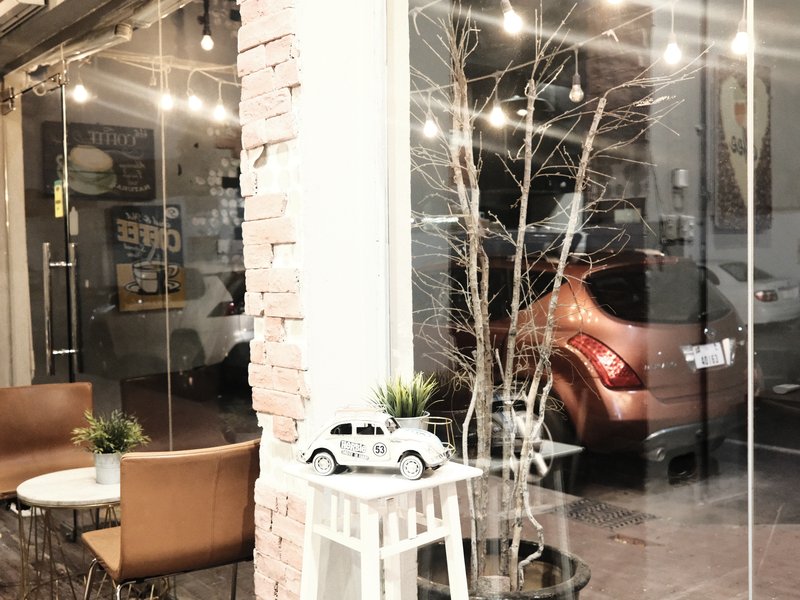
High contrast and intense shadows create a striking urban look. Perfect for street scenes.
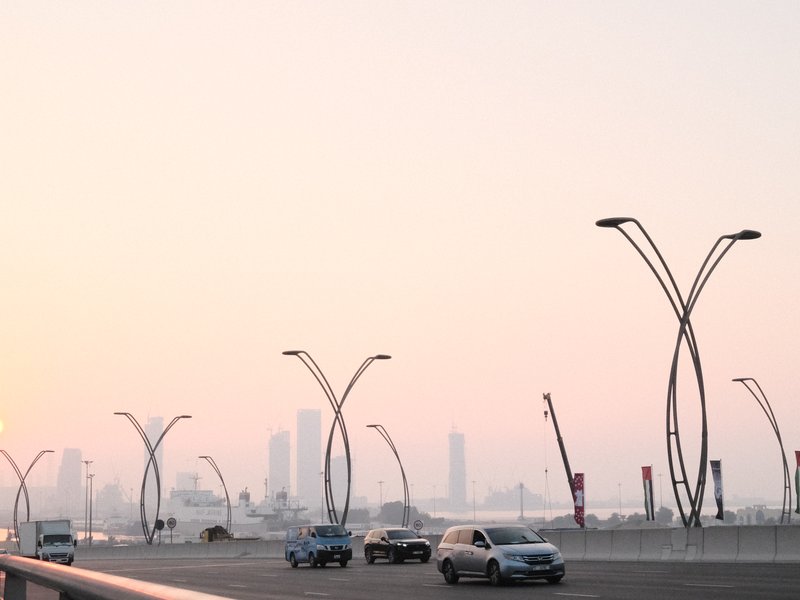
Delicate colour balance with immersive tones ideal for serene portrait settings.
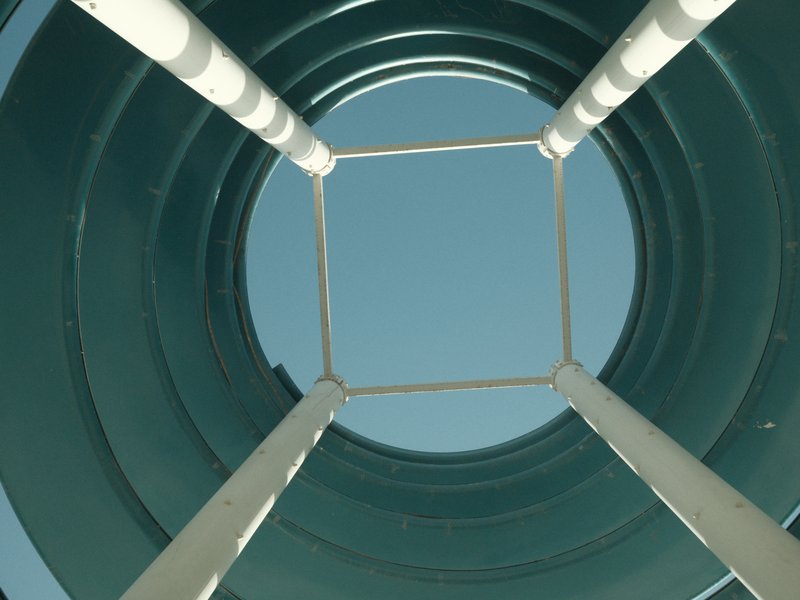
Dreamy tones and textured grain evoke vintage nostalgia. Perfect for urban street and travel photography.