
Resolution
51MP/102MP
Sensor generation · 2016
Unleash the potential of medium-format with the GFX Bayer CMOS Sensor.
In short
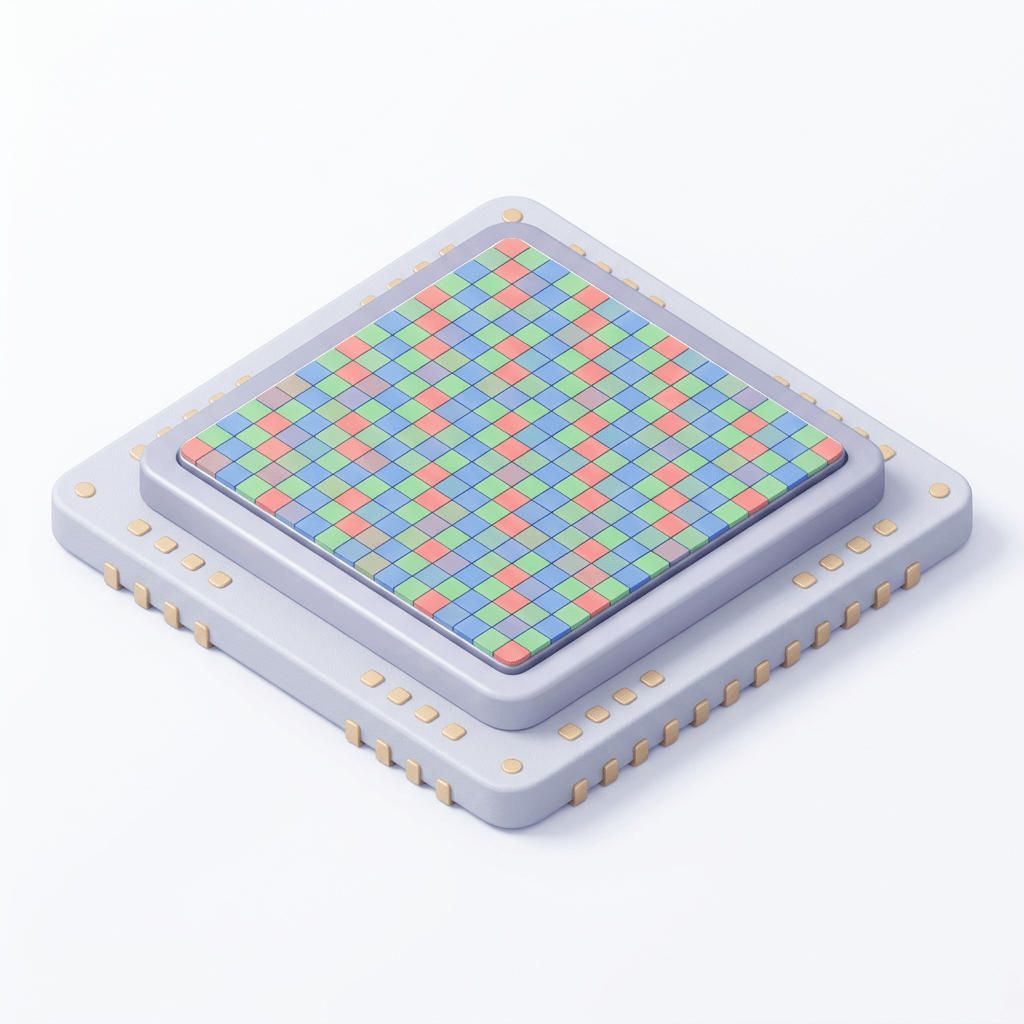
The GFX Bayer CMOS Sensor is found in GFX cameras like the GFX 100 and GFX 50S. It supports many film simulations, offering unparalleled detail and dynamic range.
The GFX Bayer CMOS Sensor, introduced by Fujifilm in 2016, represents a leap into medium-format digital photography. With its 51MP and 102MP resolution variants, this sensor offers a significant increase in surface area over full-frame sensors, measuring 43.8×32.9mm. This increased size provides an expansive dynamic range and remarkable detail capture, making it particularly favoured for studio, landscape, and portrait photography. Cameras such as the GFX 100 and GFX 50S utilise this sensor, celebrated for its ability to render images with superb colour accuracy and depth. Photographers deeply appreciate the GFX sensor’s capacity to transform scenes with extraordinary tonal richness and subtlety.
The GFX generation supports a wide array of film simulations, sharing many with X-Trans bodies. This includes Classic Chrome, Classic Negative, and Eterna, among others. Recipes can be adapted across generations, but the unique characteristics of the larger sensor may lead to subtle differences in rendering. When creating or adapting recipes, consider the increased dynamic range and resolution that the GFX sensor provides.
Recipes from the GFX sensor can be adapted to X-Trans sensors, though differences in sensor size may affect rendering. Most film simulations carry over, but the unique GFX sensor characteristics can alter the final look.
The GFX sensor offers larger sensor size and higher resolution compared to other Fujifilm generations, providing superior image quality.
Film simulations
Available controls

High contrast and intense shadows create a striking urban look. Perfect for street scenes.
 Premium
Dreamy tones and textured grain evoke vintage nostalgia. Perfect for urban street and travel photography.
 Premium
Deep monochrome tones and pronounced grain evoke nostalgia. Ideal for minimalist urban architecture.

Strong grain with a warm colour cast evokes dreamy nostalgia, perfect for capturing serene portraiture.

Classic film feel with strong grain and vivid colours. Ideal for capturing urban architecture or warm interior scenes.

Classic Chrome offers nostalgic warmth with gentle grain. Evoke calm in your travel and street photography.

Natural tones with gentle contrast and subdued grain. Perfect for calm, warm portraits in rural settings.

Subtle tones with deep shadows create a tranquil warmth, ideal for street and travel scenes.

Dreamlike portraits emerge with soft highlights and moody blue hues throughout.
 Premium
Gentle grain and soft tones create a vibrant colour palette. Ideal for portraits with an urban backdrop.

Large, textured grain with a cool, balanced colour cast lends a dreamy quality to indoor and night scenes.

Intense contrast and deep hues make landscapes captivating. Suited for vibrant outdoor scenes.
Key terms
The cameras built on the GFX sensor, the film simulations they run, and the other Fujifilm sensor generations.
Browse the whole catalogue, unlock the premium recipes, and keep every setting in front of you while you shoot.
Free to download · iPhone and Android