
Resolution
24.2MP
Sensor generation · 2011/2018
Affordable quality with Fujifilm's Bayer CMOS sensor.
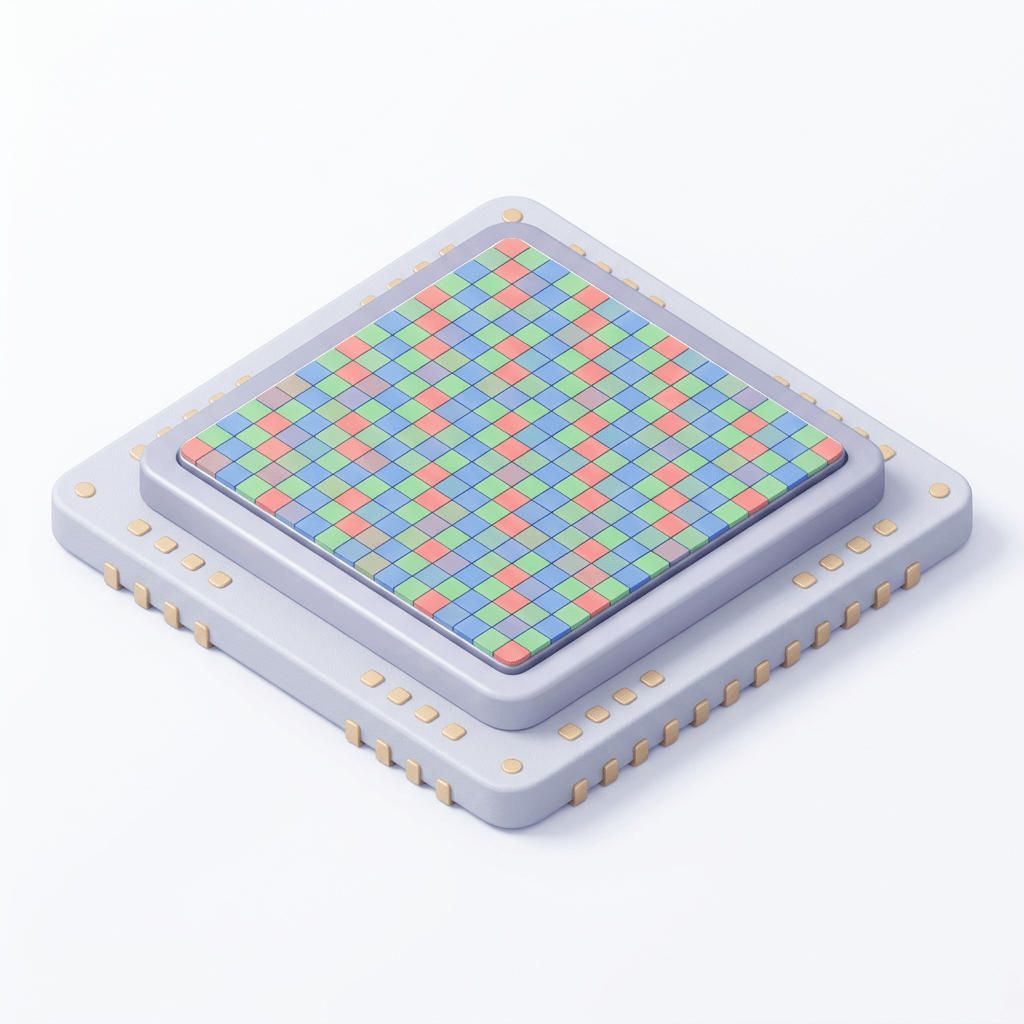
In short
The Bayer sensor is used in Fujifilm's entry-level cameras like the X-A series and X-T100/X-T200. Most film simulations are supported except Acros.
The Bayer CMOS sensor is a mainstay in Fujifilm's entry-level camera lineup, known for its cost-effective and accessible photographic experience. With a resolution of 24.2MP, it offers solid image quality through a conventional Bayer colour filter array. This makes it a popular choice for beginner photographers who want to explore Fujifilm's colour science without the complexities of the X-Trans sensor. Cameras like the X-A series and the X-T100 and X-T200 are key examples, providing photographers with an affordable entry into the world of mirrorless photography. The Bayer sensor is appreciated for its straightforward rendering and the ability to capture vibrant images, making it a practical choice for everyday photography.
For film simulation recipes, the Bayer sensor generation supports most Fujifilm simulations, though it notably lacks Acros. You'll find the classic options available, but expect slight differences in rendering compared to X-Trans sensors. When adapting recipes, be mindful that some advanced features from newer generations, like Acros, will not carry over. This limits full cross-generation compatibility and requires some adjustments.
When adapting recipes from X-Trans to Bayer, note that Acros is not available and rendering may differ slightly.
The Bayer sensor represents Fujifilm's commitment to accessible photography by offering a lower-cost alternative.
Compared to X-Trans I, Bayer lacks some advanced film simulations and customisation options.
Film simulations
Available controls
Key terms
The cameras built on the Bayer sensor, the film simulations they run, and the other Fujifilm sensor generations.
Browse the whole catalogue, unlock the premium recipes, and keep every setting in front of you while you shoot.
Free to download · iPhone and Android