Resolution
16MP
Sensor generation · 2013
Capture moments with confidence using Fujifilm's X-Trans II sensor.
In short
The X-Trans II sensor is in cameras like the X-T1 and X-E2. It supports recipes with limited film simulations; Classic Chrome arrived later in its cycle.
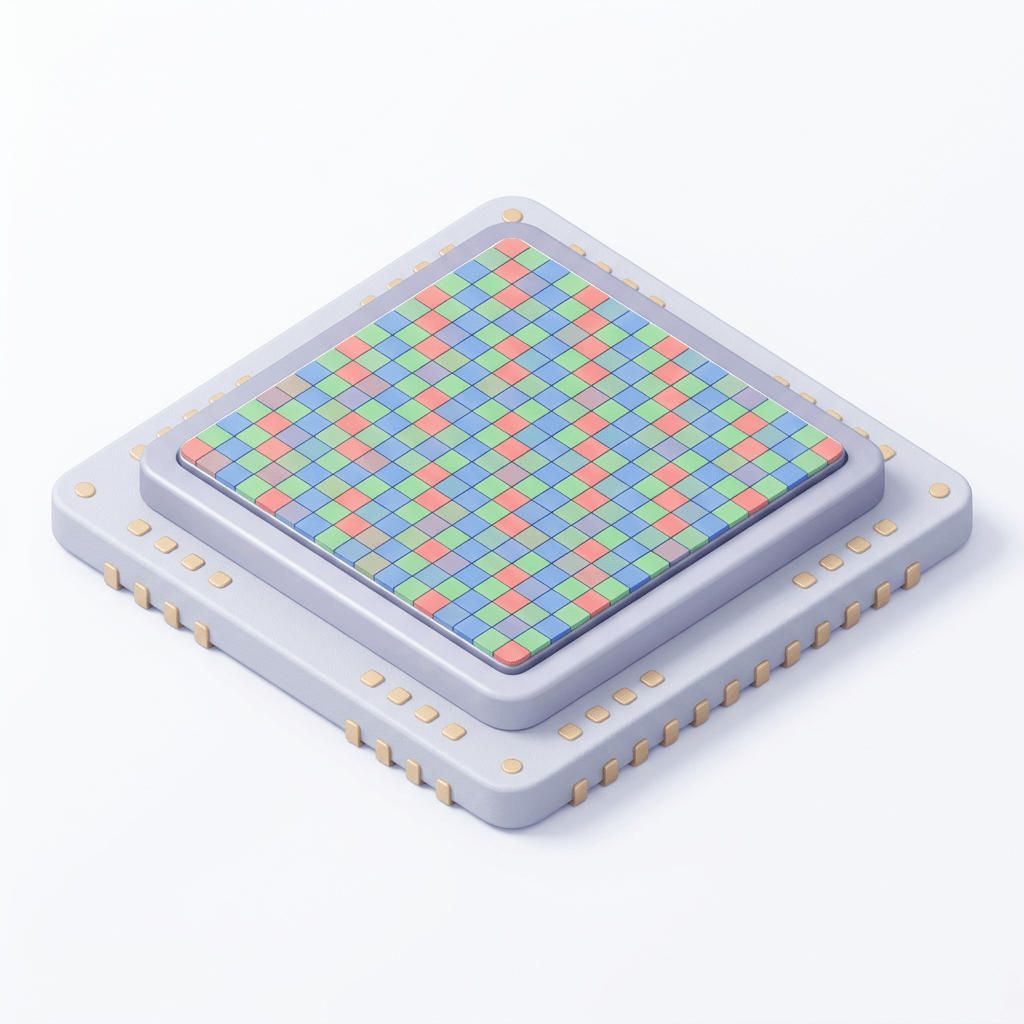
The X-Trans CMOS II sensor, launched in 2013, marked a significant step forward for Fujifilm cameras. With a resolution of 16MP, it introduced on-sensor phase detection autofocus, enhancing focus speed and accuracy. Found in models like the X-T1, X-E2, and X100T, this sensor is valued for its colour reproduction and the unique X-Trans filter array, which reduces moiré without an optical low-pass filter. Its 16MP resolution allows for detailed images, and the X-Trans array ensures vibrant colours and excellent dynamic range. Photographers appreciate its balance of image quality and performance, making it ideal for various photographic styles, from street to portraiture, allowing them to capture images with richness and depth.
The X-Trans II generation offers a limited set of film simulations, with Classic Chrome appearing later. While it lacks features like Colour Chrome Effect and Acros, it supports essential JPEG controls such as Dynamic Range and White Balance shift. Recipes from newer generations must forego these advanced features when adapted. This generation allows for creative expression through its available simulations and controls, offering a solid foundation for photographers exploring film simulation recipes.
Recipes from X-Trans II can be adapted to X-Trans III, but will miss Acros and modern enhancements. Adapting newer recipes means forgoing advanced controls like Clarity.
Introduced on-sensor phase detection, improving autofocus speed over X-Trans I.
Compared to X-Trans III, it lacks Acros and advanced JPEG controls.
Film simulations
Available controls
Key terms
The cameras built on the X-Trans II sensor, the film simulations they run, and the other Fujifilm sensor generations.
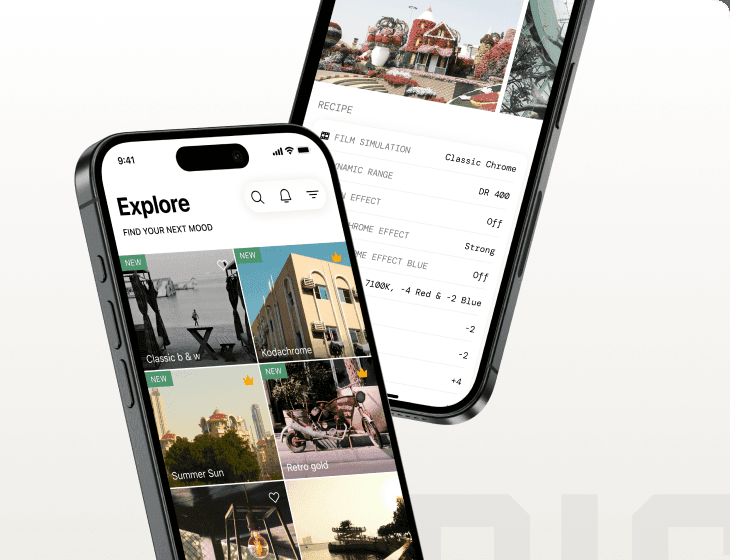
Browse the whole catalogue, unlock the premium recipes, and keep every setting in front of you while you shoot.
Free to download · iPhone and Android