
Resolution
24.3MP
Sensor generation · 2016
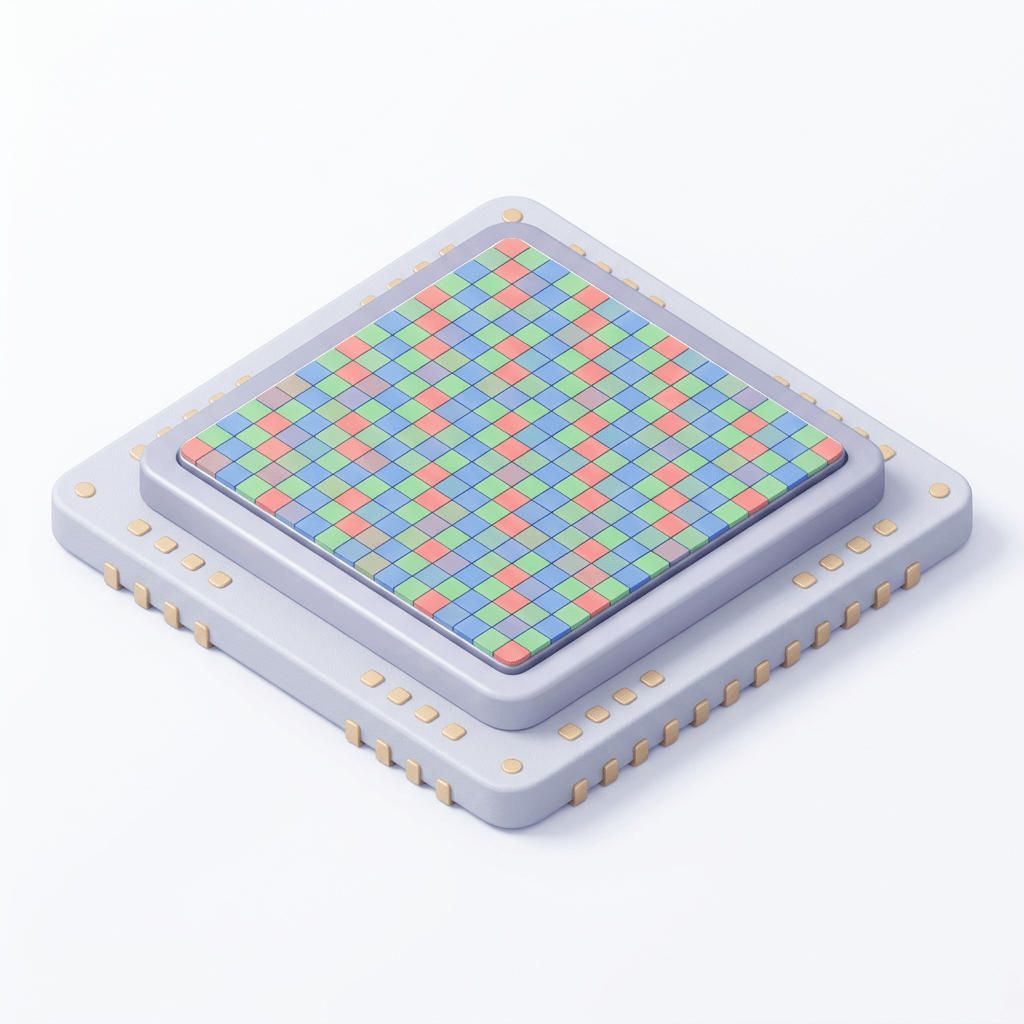
Experience the unique colour and detail of X-Trans technology.
In short
X-Trans III sensor is found in cameras like the X-Pro2 and X-T2. It supports recipes with Acros film simulation, enhancing monochrome photography.
The X-Trans CMOS III sensor, introduced in 2016, marked a significant evolution in Fujifilm's lineup with its 24.3MP resolution. Cameras like the X-Pro2, X-T2, and X100F benefit from this sensor, offering photographers enhanced detail, dynamic range, and low-light performance. Notably, it introduced the Acros film simulation, celebrated for its rich tonal gradations in black and white photography. This generation's unique colour reproduction and detail fidelity make it a favourite among enthusiasts and professionals who appreciate Fujifilm's dedication to film-like quality in digital imaging. Its balance of resolution and dynamic range enables photographers to capture stunning images with excellent depth and clarity, making it a standout choice for both landscape and portrait photography.
The X-Trans III generation heralded the arrival of the Acros film simulation, expanding creative monochrome options. It supports common controls like Dynamic Range, Highlight, and Shadow adjustments, along with White Balance shift and Noise Reduction. While it lacks features like Classic Negative and Colour Chrome Effect introduced later, recipes created for X-Trans III can be adapted to older generations by omitting Acros. Forward compatibility requires acknowledging missing features, yet the core essence of the recipe remains.
Recipes using X-Trans III translate back to X-Trans II by omitting Acros. Forward, they lack features like Classic Negative and Color Chrome Effect.
Introduced in 2016, X-Trans III was pivotal for Fujifilm, elevating resolution and monochrome capabilities.
Compared to X-Trans IV, it lacks newer features like Classic Negative and Color Chrome Effect.
Film simulations
Available controls

X-Trans III · 24.3 MP
First X-mount body with IBIS - the launch of the pro-tier X-H line.

X-Trans III · 24.3 MP
Pocket-friendly X-Trans III rangefinder - touch focus, no D-pad, and a clean dial layout.

X-Trans III · 24.3 MP
X-T2 internals in a smaller, lighter shell - a popular Acros-era recipe machine.

X-Trans III · 24.3 MP
First 24 MP X100 - X-Trans III, focus joystick, and the X100 line's mid-cycle peak.

X-Trans III · 24.3 MP
Acros, weather sealing, and dual SD - the X-Pro that brought the rangefinder line into the modern era.

X-Trans III · 24.3 MP
24 MP, 4K video, and the introduction of the X-Processor Pro - the X-T that went pro.

High contrast and intense shadows create a striking urban look. Perfect for street scenes.
 Premium
Dreamy tones and textured grain evoke vintage nostalgia. Perfect for urban street and travel photography.
 Premium
Deep monochrome tones and pronounced grain evoke nostalgia. Ideal for minimalist urban architecture.

Strong grain with a warm colour cast evokes dreamy nostalgia, perfect for capturing serene portraiture.

Classic film feel with strong grain and vivid colours. Ideal for capturing urban architecture or warm interior scenes.
Key terms
The cameras built on the X-Trans III sensor, the film simulations they run, and the other Fujifilm sensor generations.
Browse the whole catalogue, unlock the premium recipes, and keep every setting in front of you while you shoot.
Free to download · iPhone and Android