
Difficulty
Intermediate
X-Trans IVClassic NegativeColour40 photos
Immerse yourself in the vivid nostalgia of Agfa Ultra 100.

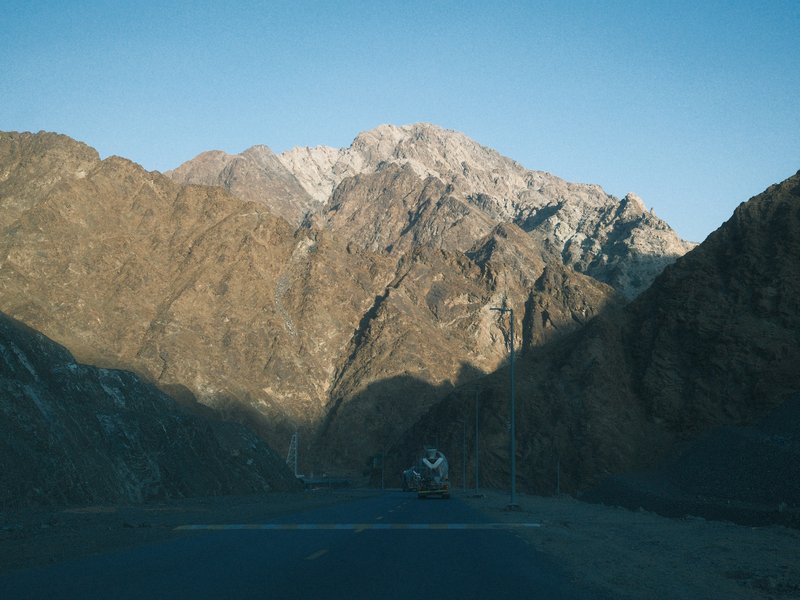
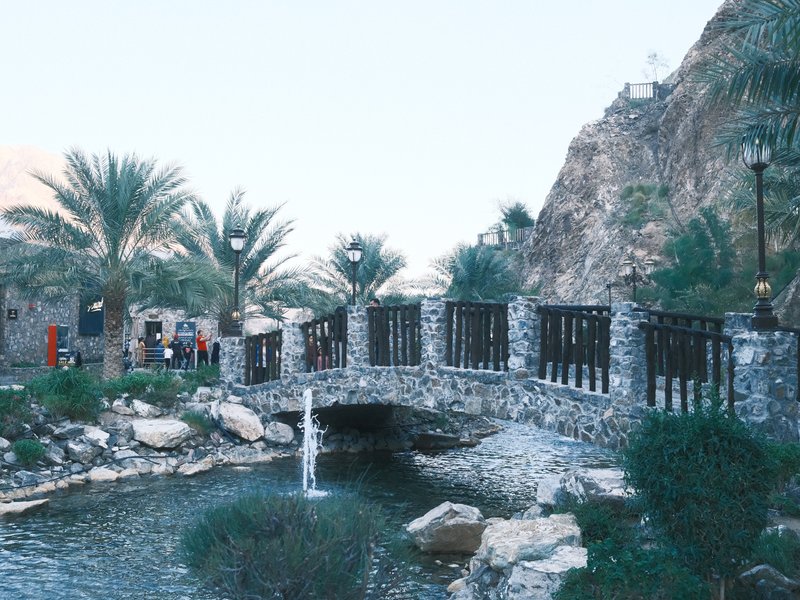
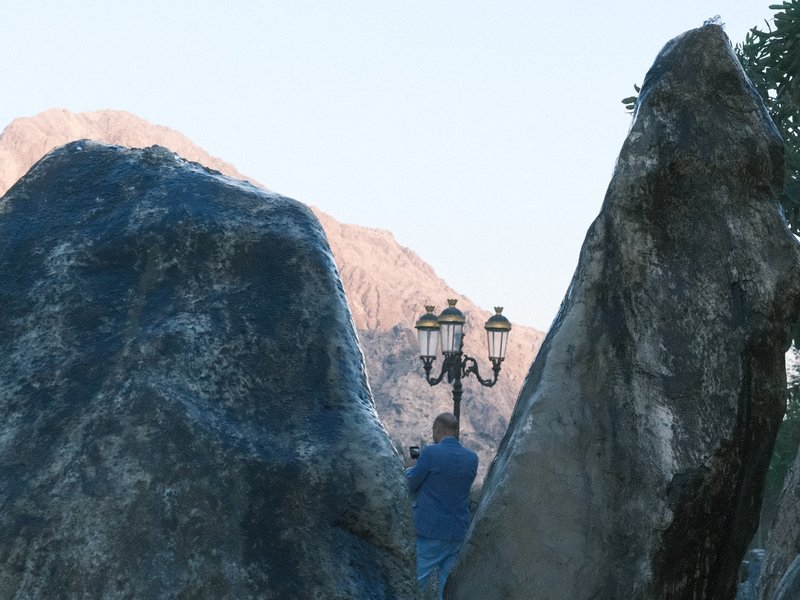
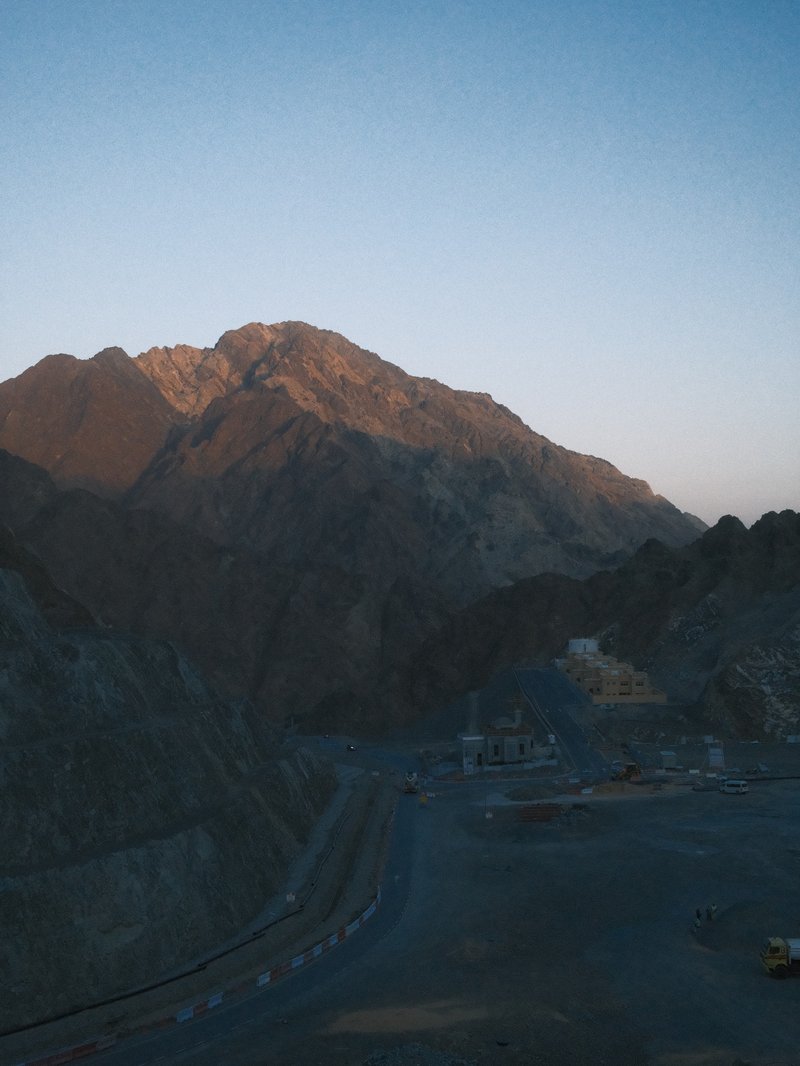
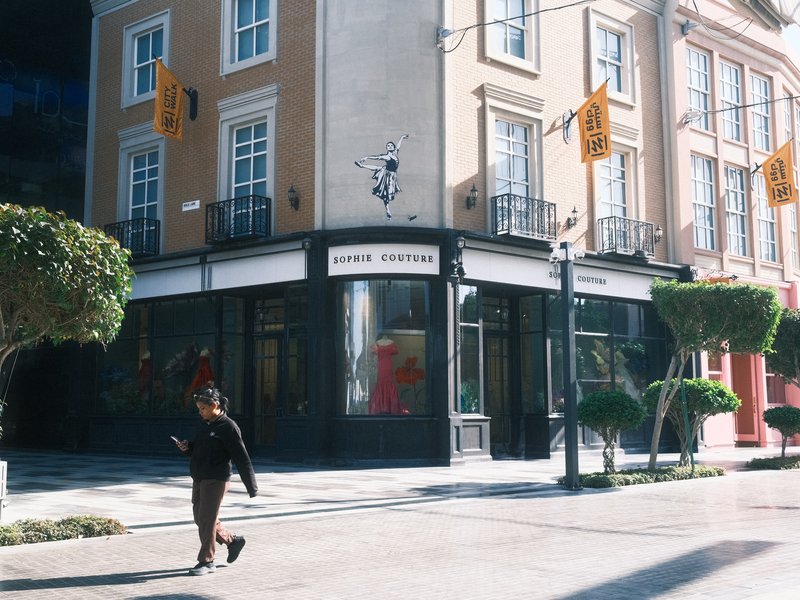
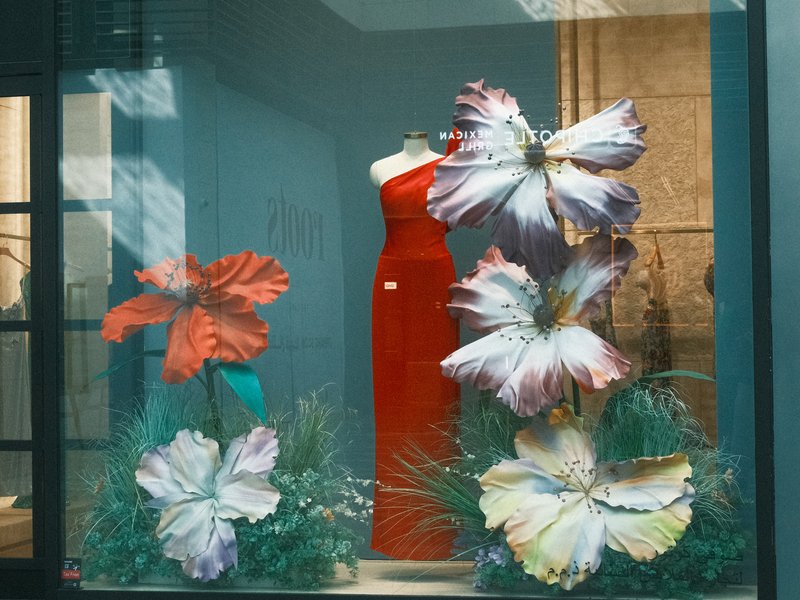
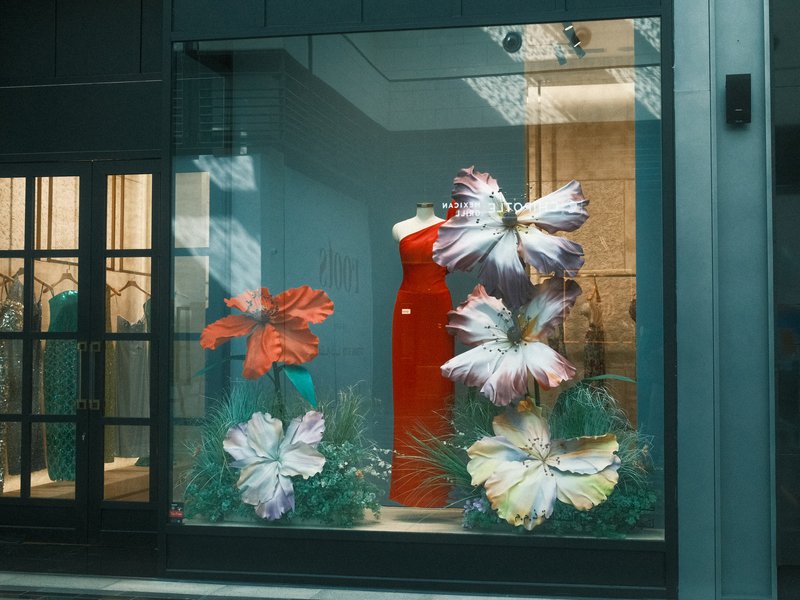
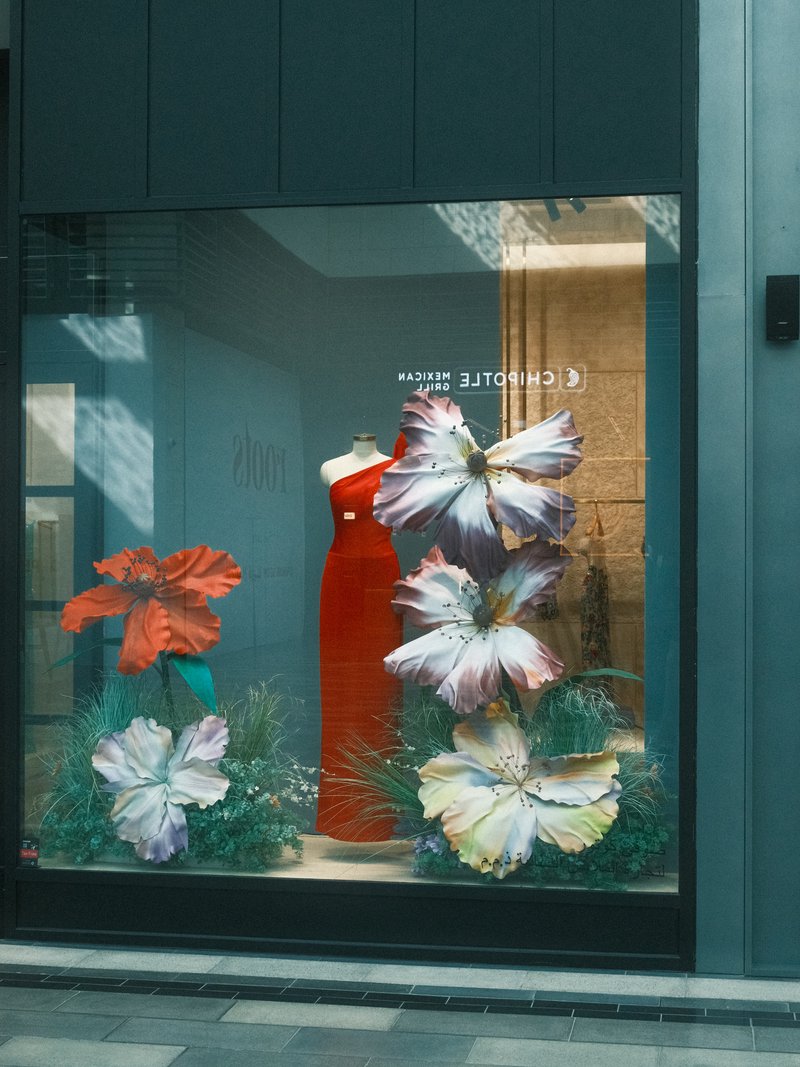
Agfa Ultra 100, built on the Classic Negative simulation, evokes the vibrant hues of its namesake film. It brings a nostalgic warmth to urban landscapes and street scenes, enhancing textures and pulling out details. The colours are rich and slightly exaggerated, reminiscent of classic postcards. Highlights are restrained, preserving details in brighter areas, while shadows maintain a gentle depth. This recipe excels in overcast settings, where it enriches dreary tones into something lively and engaging. The look is a dance between vivid saturation and soft contrast, creating an inviting vintage feel without overwhelming the viewer. It brings a cinematic flair to mundane moments, capturing the essence of nostalgic film photography.
Classic Negative · X-Trans IV
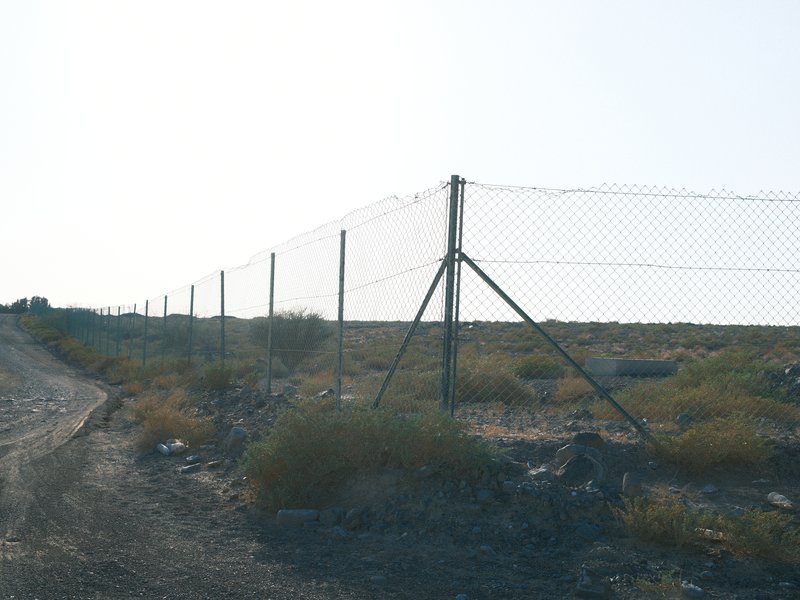
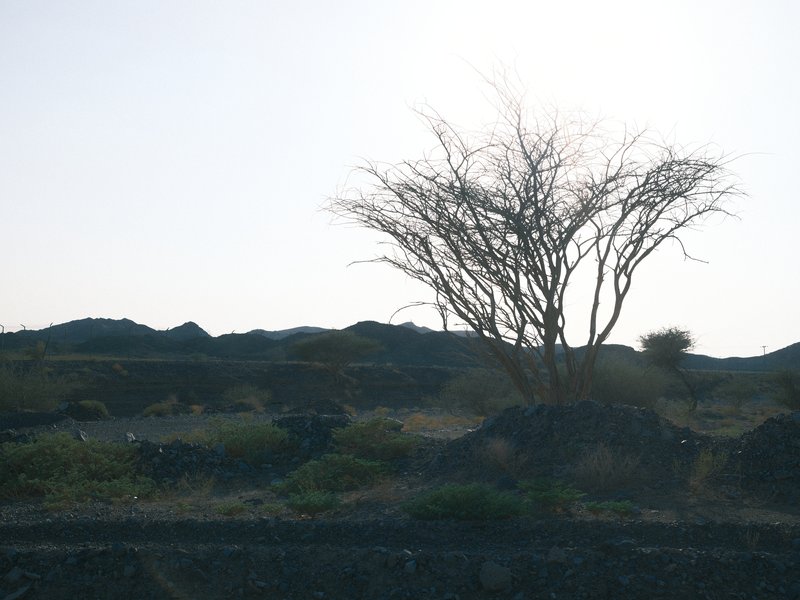
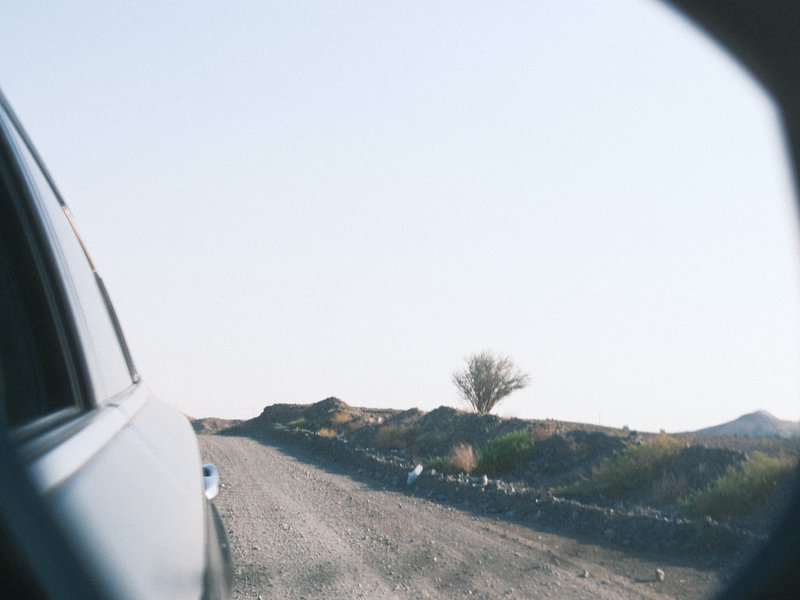
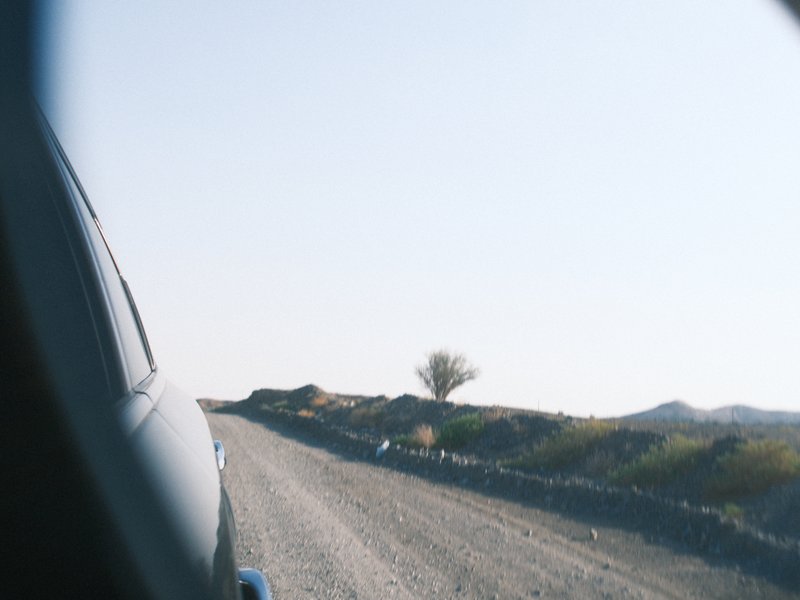
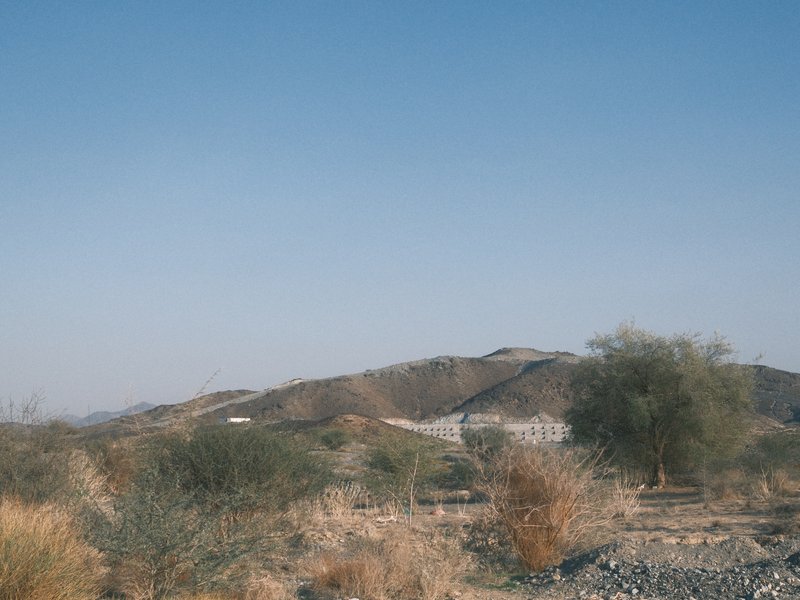
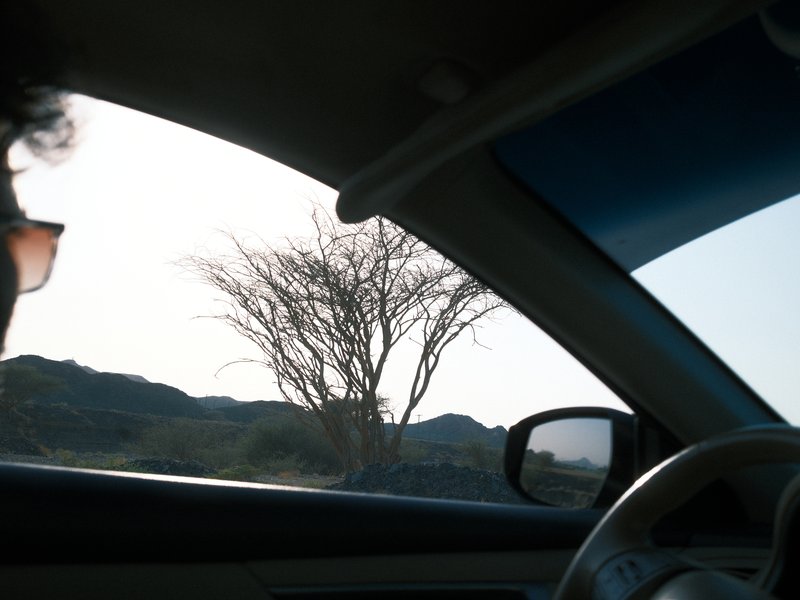
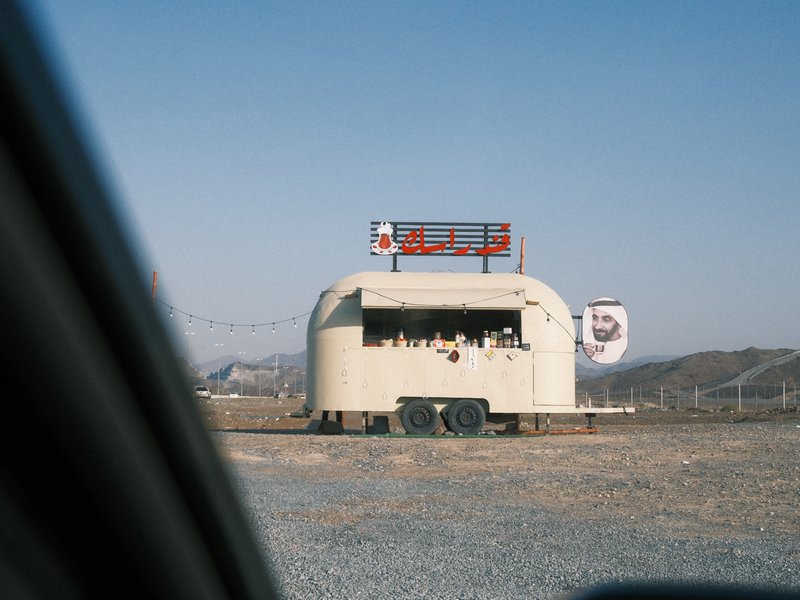
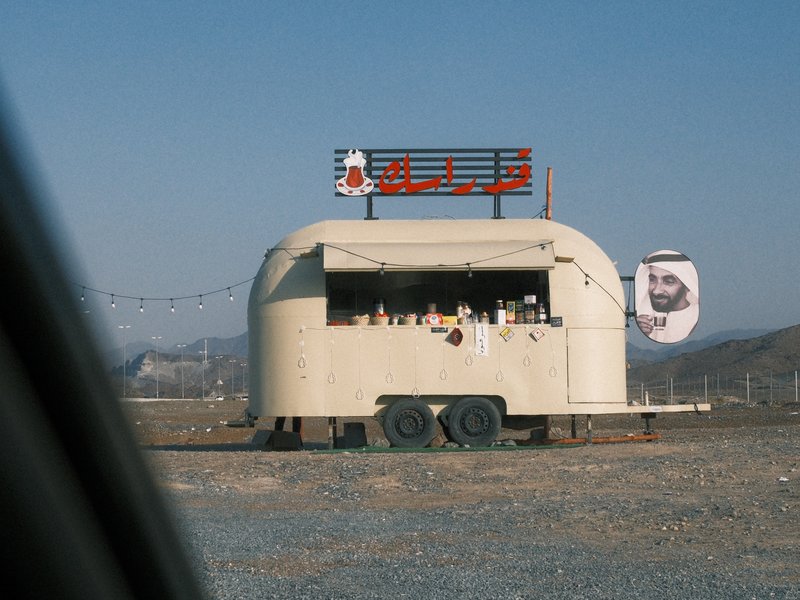
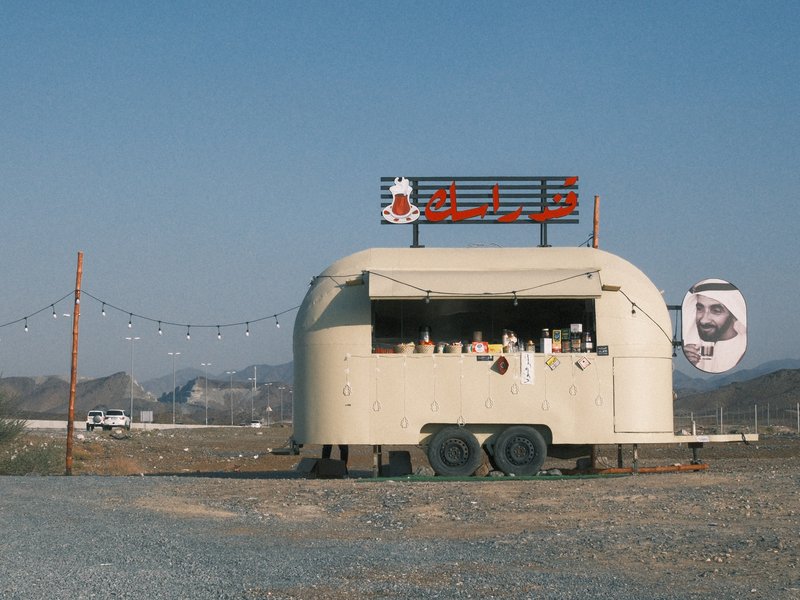
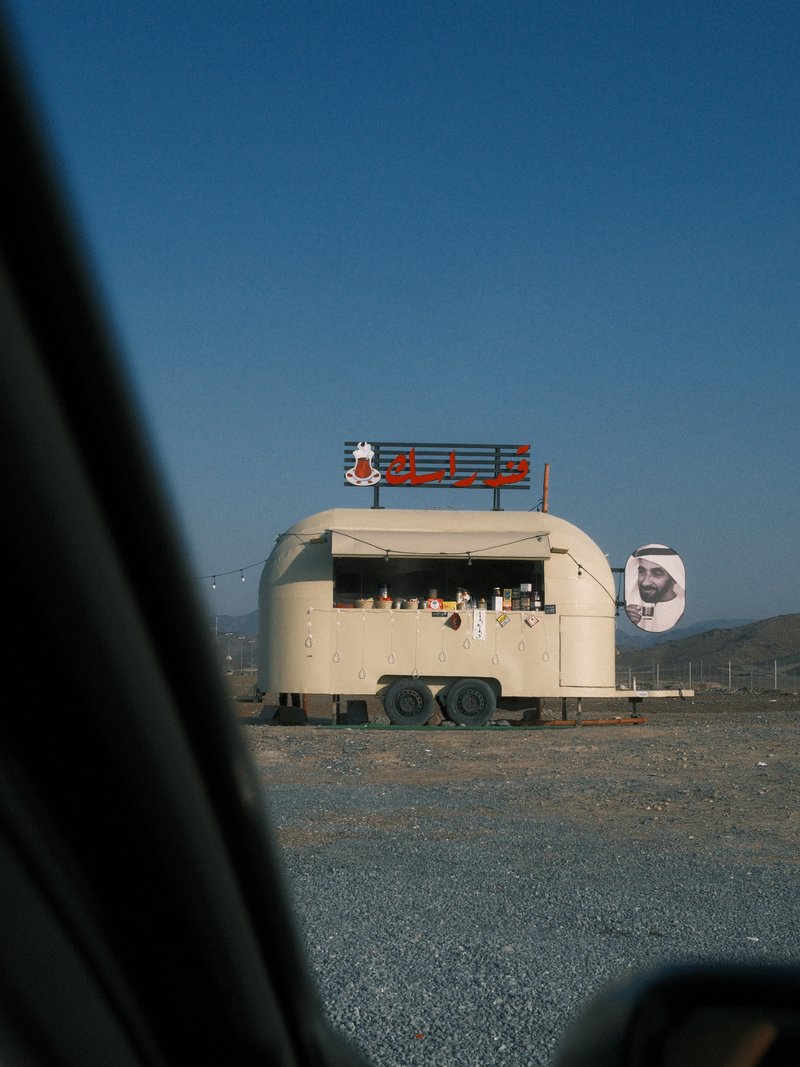
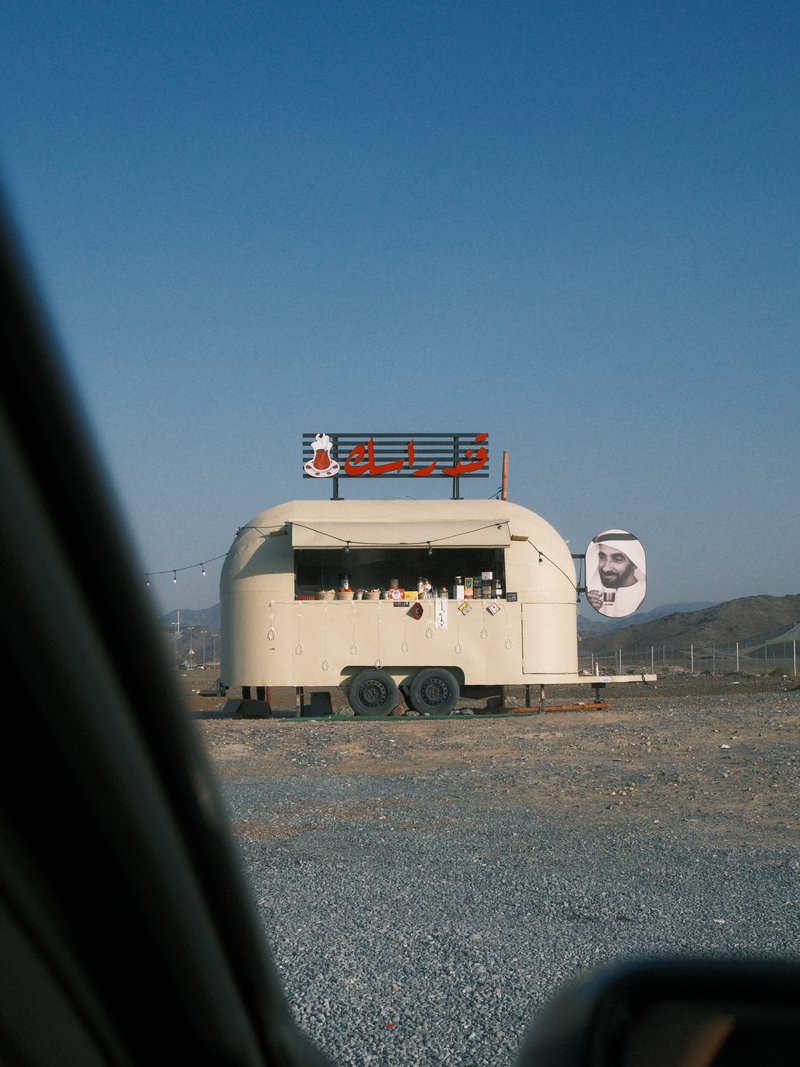
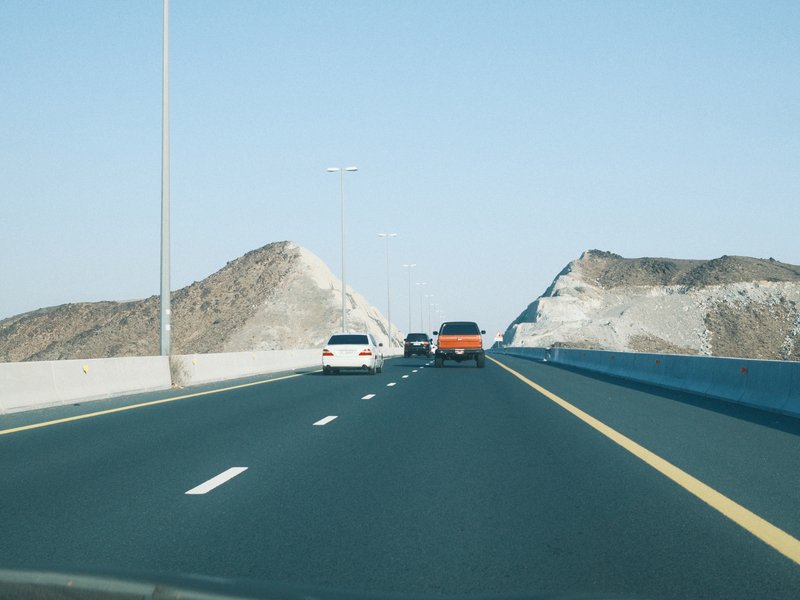


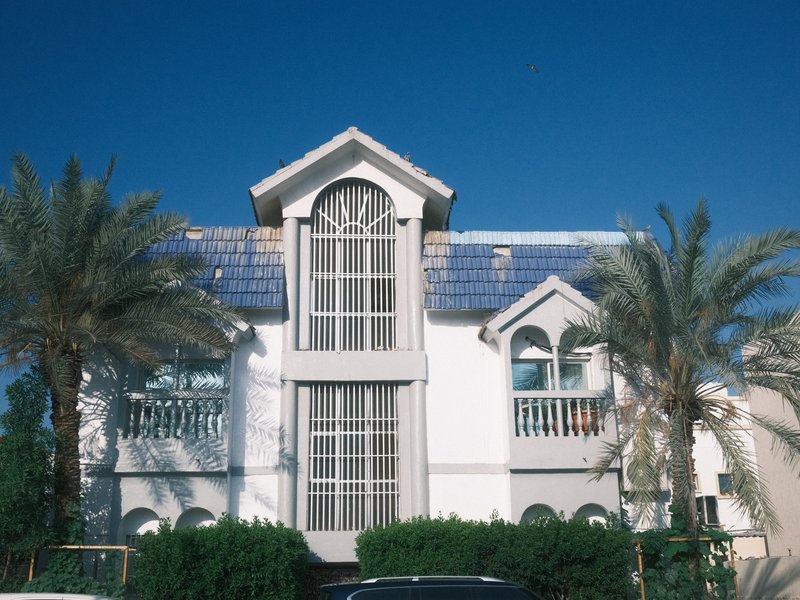
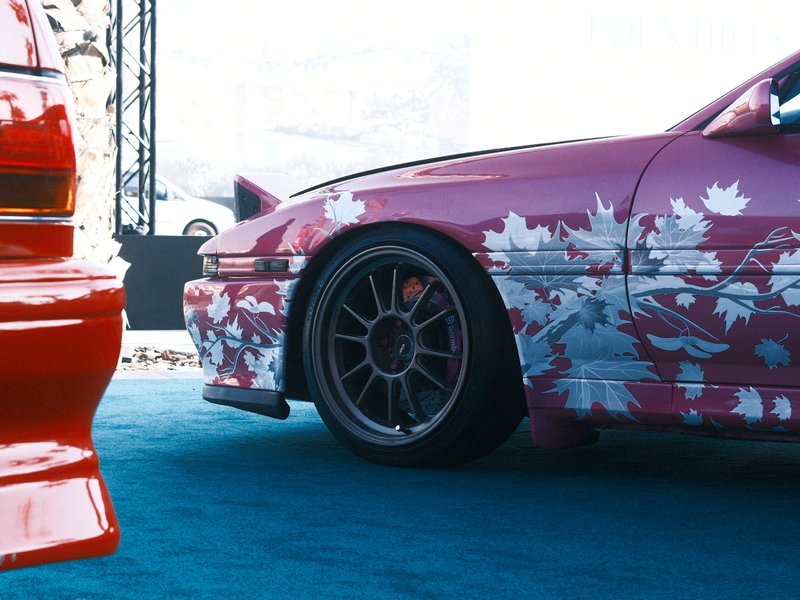
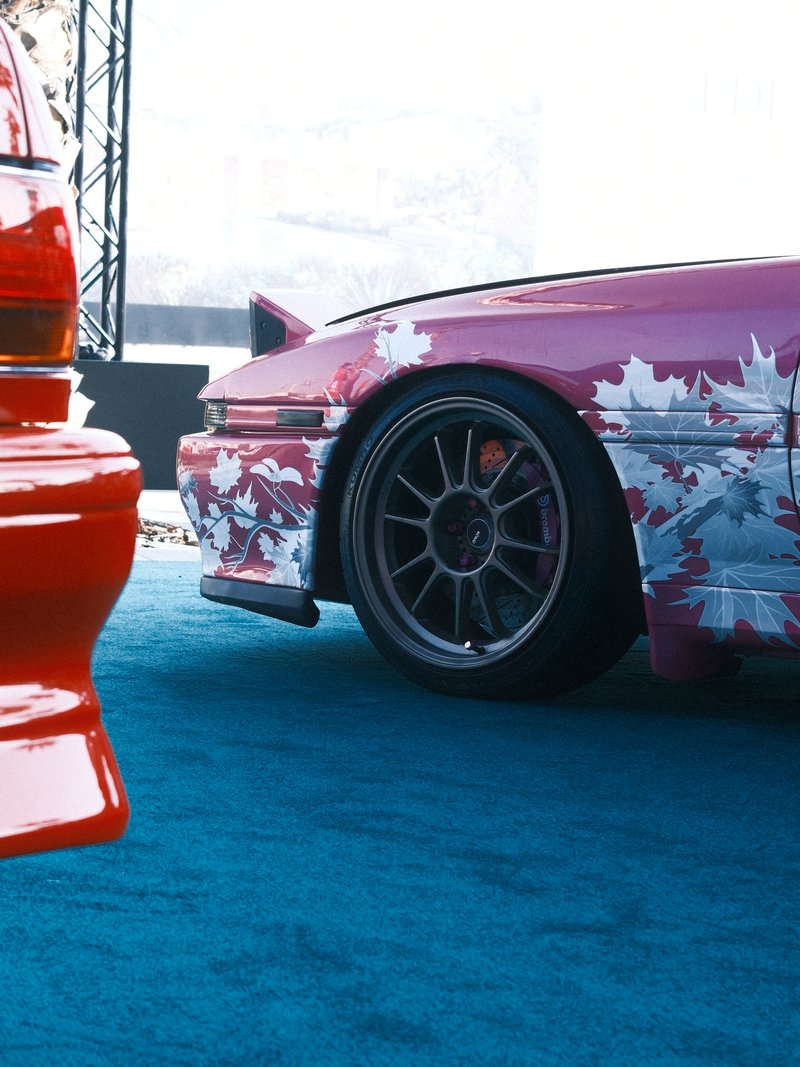
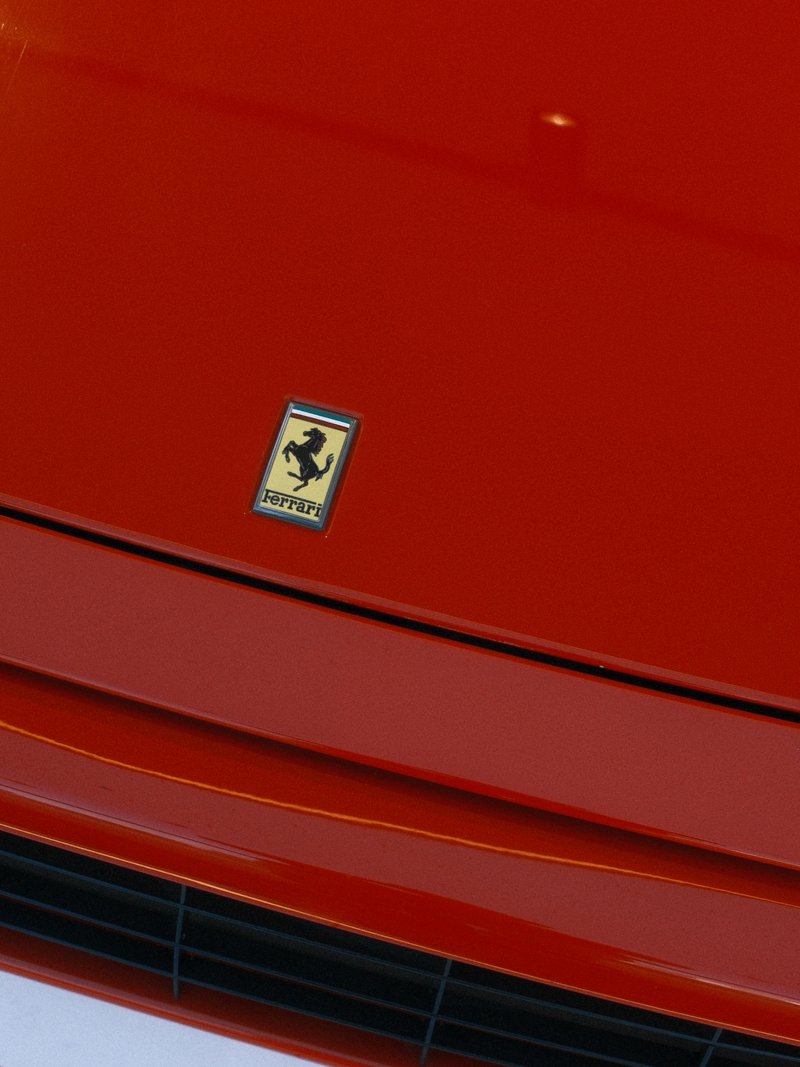
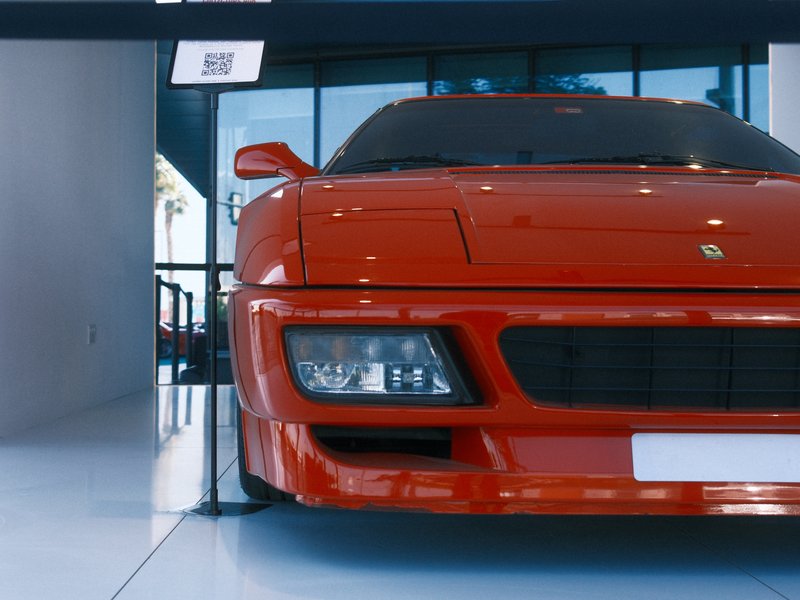
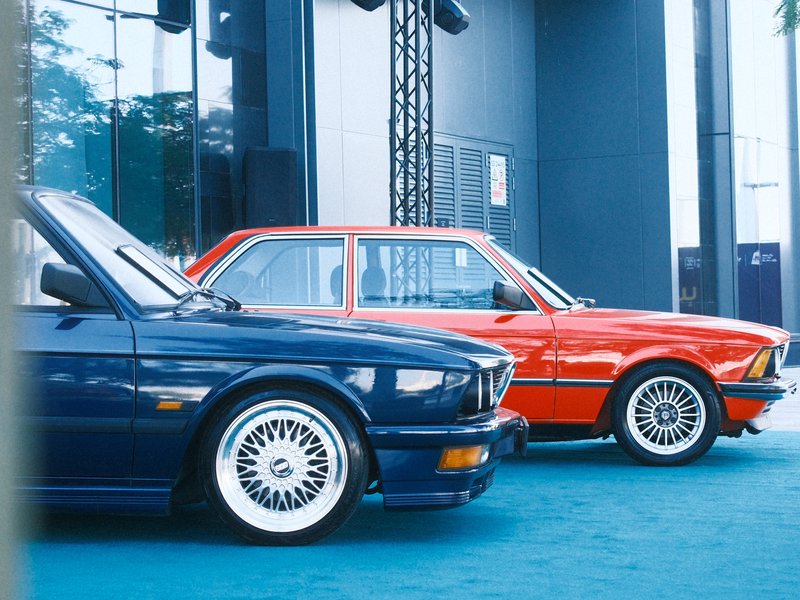
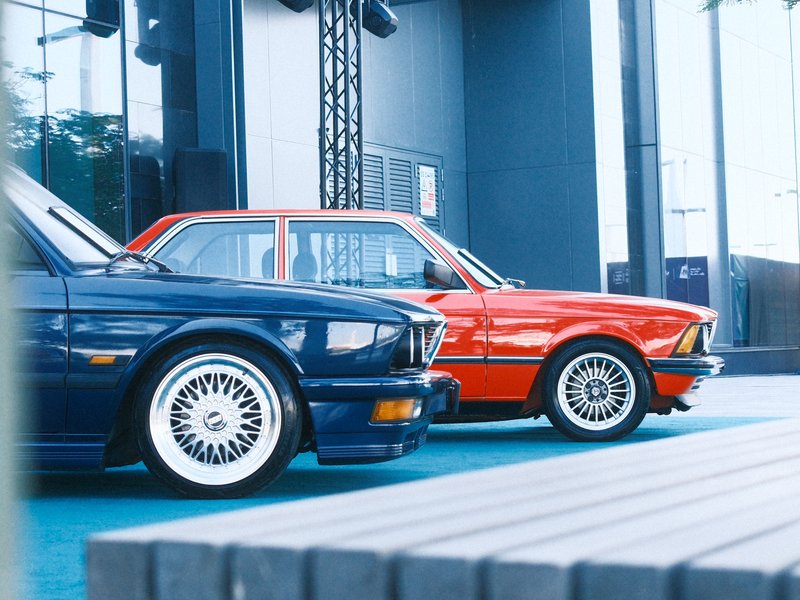
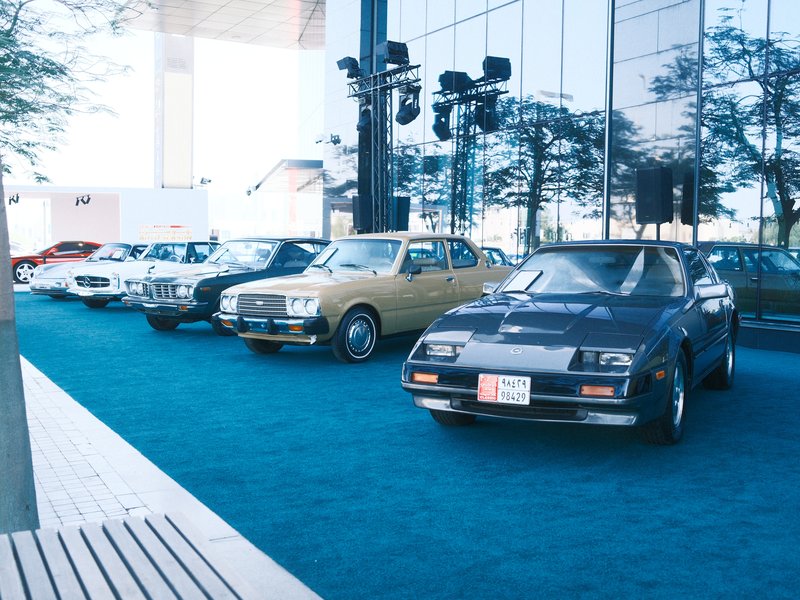
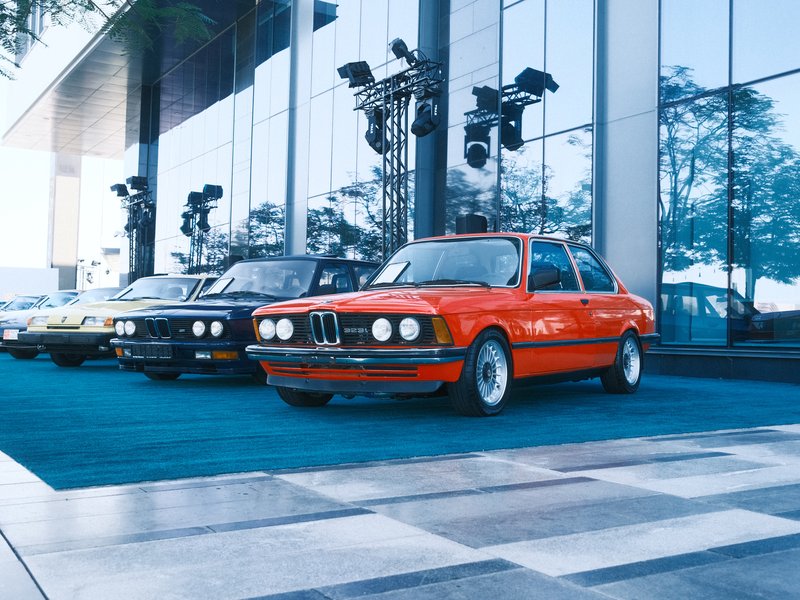
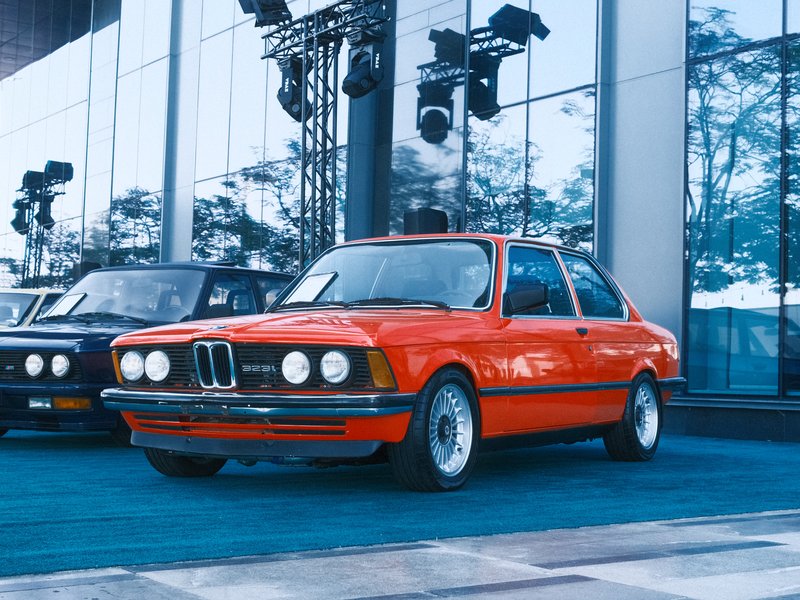
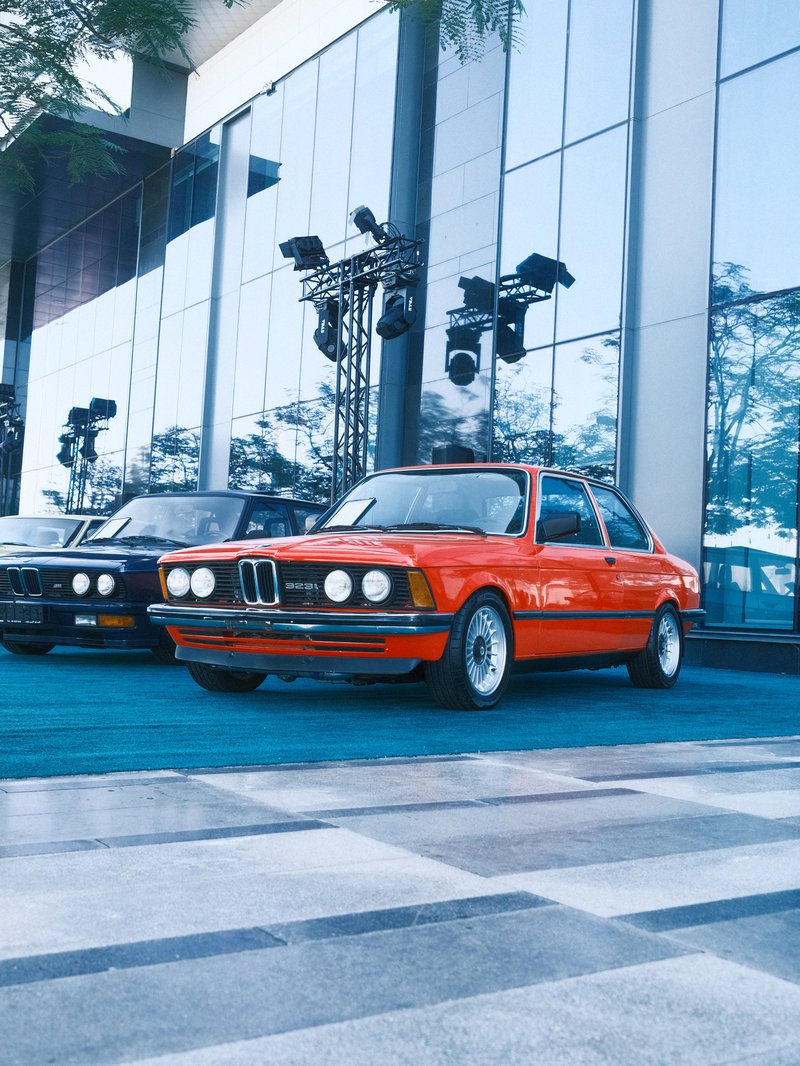
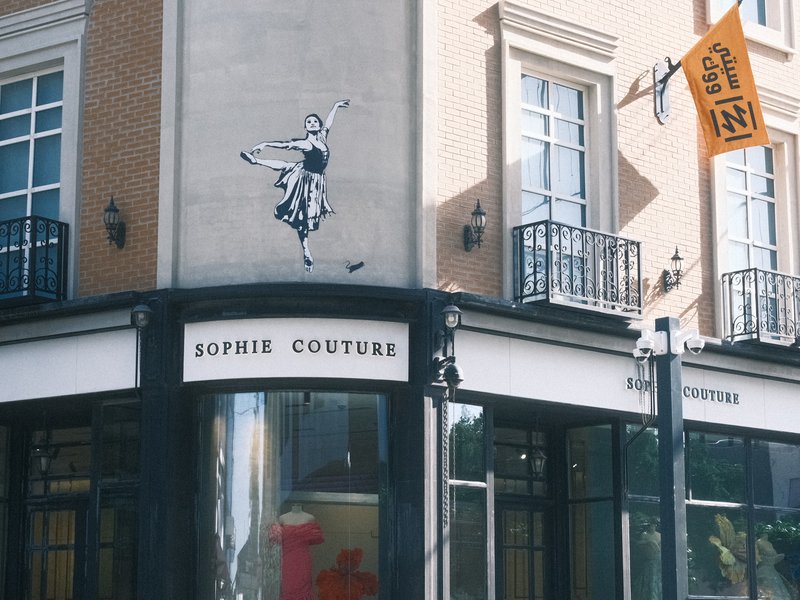

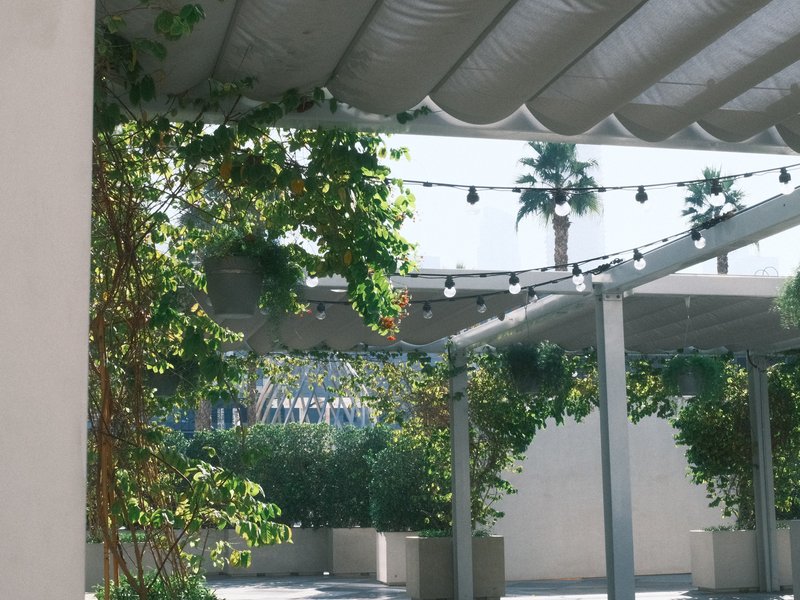
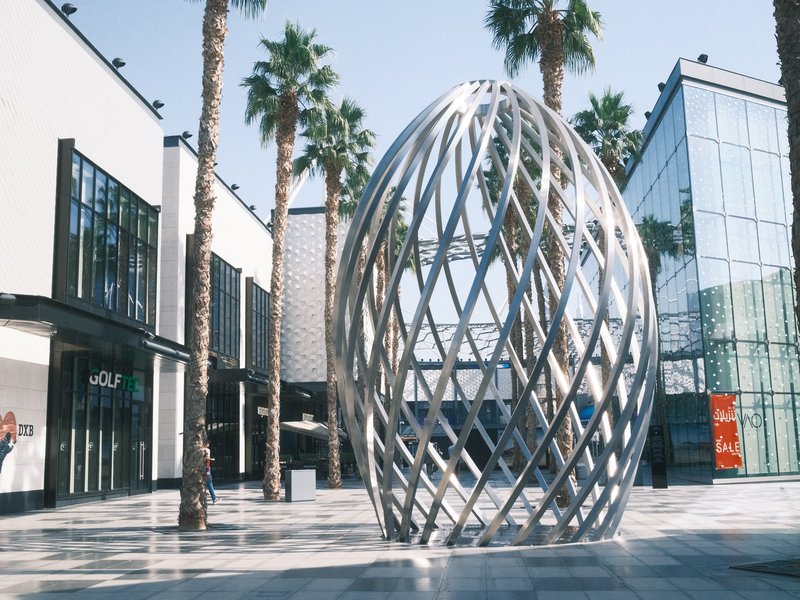
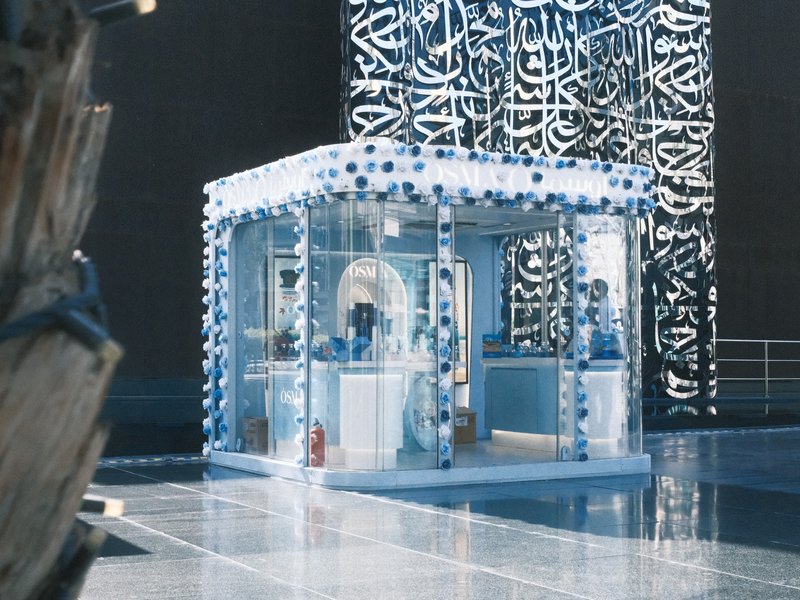
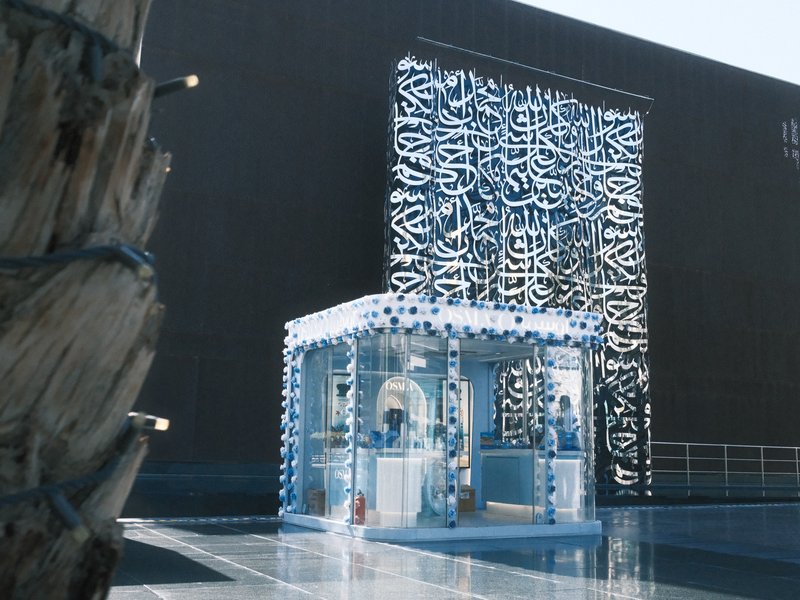
Explore similar
Tested across the X-Trans IV and GFX generations — compatibility is defined by sensor, so any body on these generations can run it. This recipe is tuned for X-Trans IV. It will work on X-Trans V, but blue can render more deeply there — adjust to taste.
This recipe thrives in urban and street settings, especially under overcast skies where colours often dull. Avoid using it for studio portraits, as its vibrant tones might overpower skin tones. It shines in atmospheric, everyday scenes, infusing them with warmth and nostalgia.
Scenes and subjects this recipe is tuned for.
Where another look will likely serve you better.
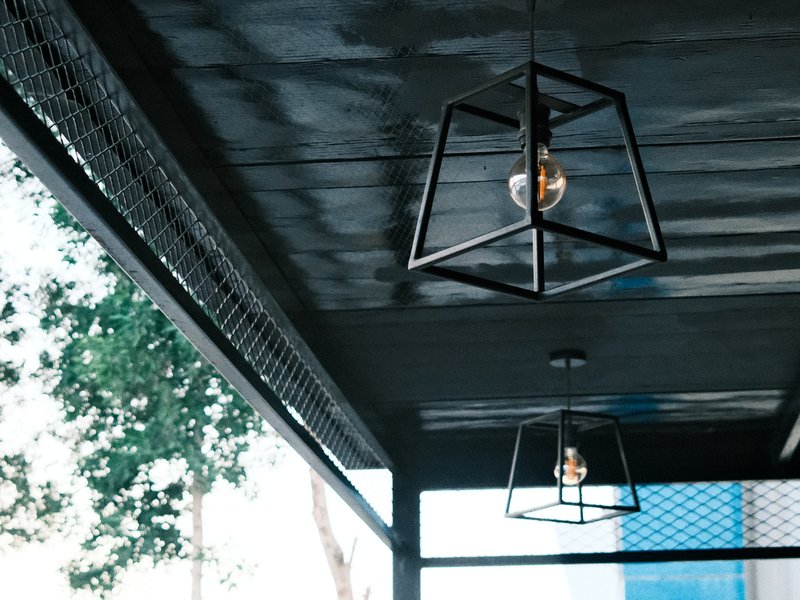
Subtle warmth and nostalgia, where muted tones shine in urban settings under overcast skies.
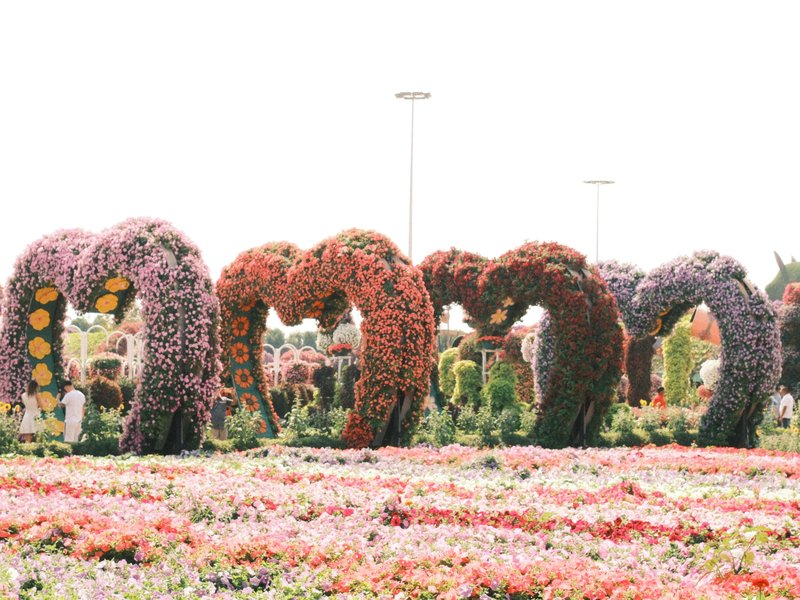
Dreamy, nostalgic feel with gentle grain and rich tones. Perfect for moody street and urban captures.
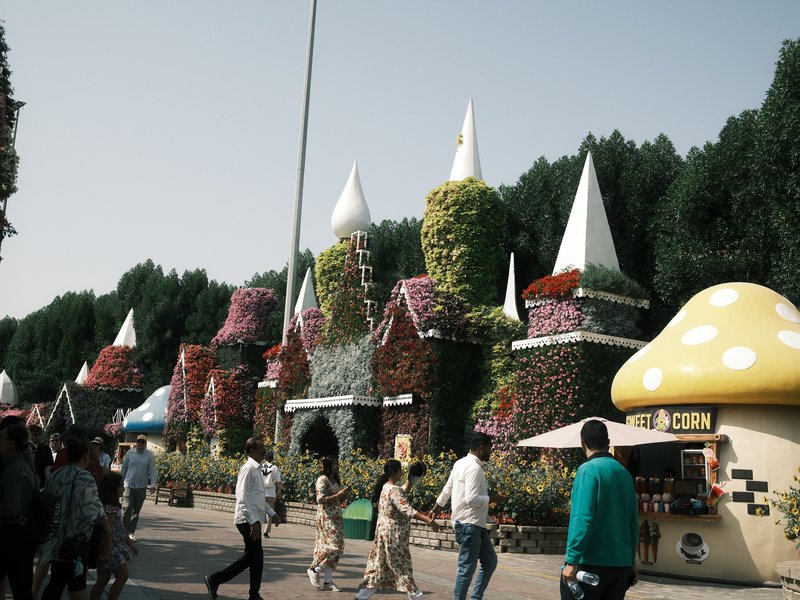
Dreamy shadows and subdued colours create a relaxed atmosphere perfect for overcast urban exploration.
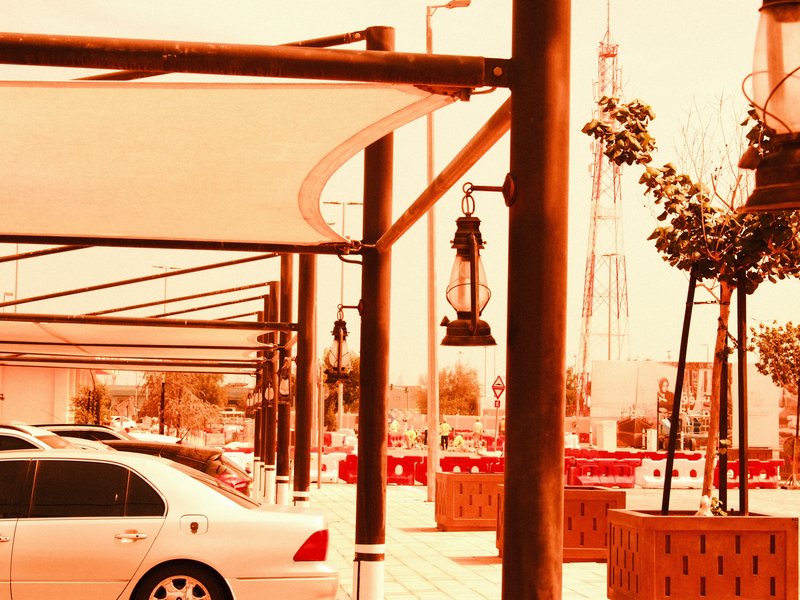
Red hues envelop cityscapes with gritty texture and contrast. Ideal for moody environments and overcast settings.
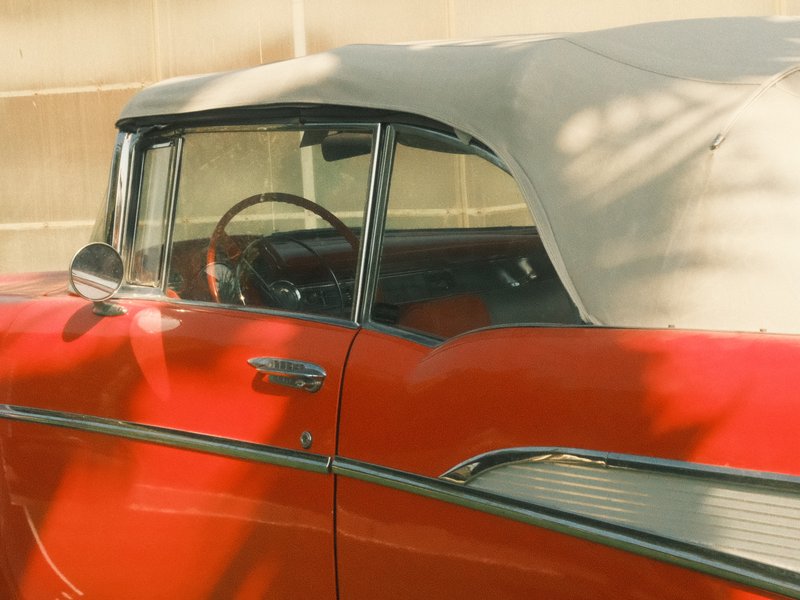
Earthy hues with subtle contrast bring a nostalgic warmth to urban images.
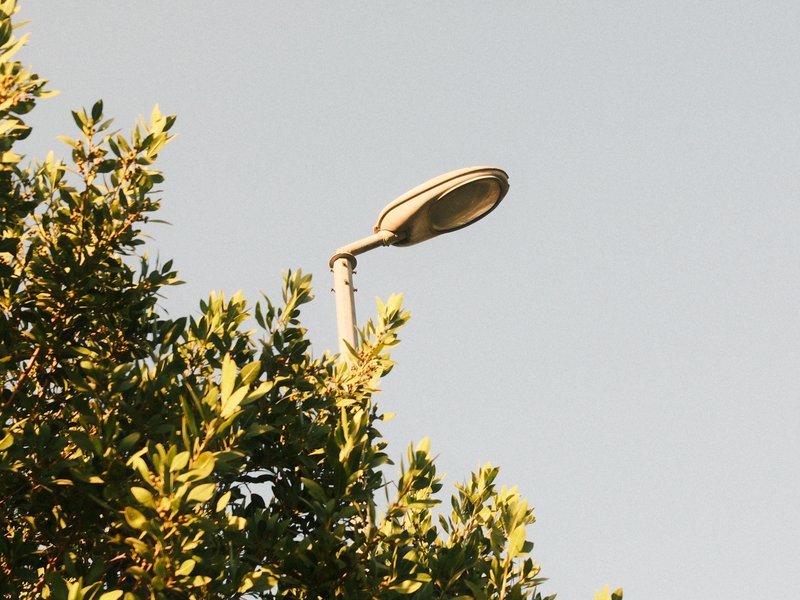
Amber tones with rich shadows and gentle grain. Ideal for overcast urban settings.